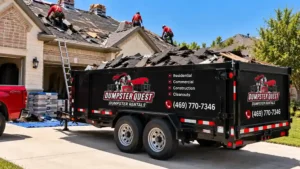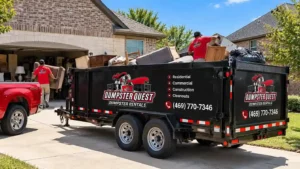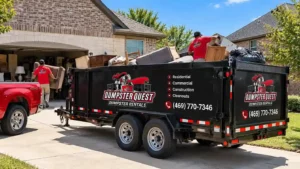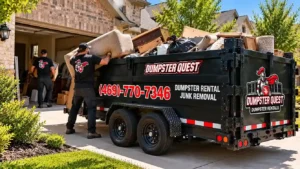
Moving often comes with questions about where a dumpster can legally be placed, especially when using a driveway for a home cleanout. This guide is for homeowners, renters, and families preparing for a move who want to avoid fines, delays, or placement issues with local rules or HOAs. You’ll learn when permits are required, how driveway placement works, and what to check before scheduling dumpster delivery.
Residential Dumpster Permit and Placement Guidelines
One of the biggest surprises during a move is how quickly household clutter builds up once packing begins, from old furniture and appliances to storage items and general junk that must be removed before leaving a property. One of the common questions homeowners face is “do I need a permit to put a dumpster in my driveway when moving”, especially when planning where the container can be safely and legally placed. Understanding local rules, HOA restrictions, and driveway placement guidelines helps prevent fines, delivery delays, and unnecessary complications during an already stressful moving process.
For many homeowners across North Dallas, working with Dumpster Quest helps simplify dumpster placement and rental scheduling during residential moving projects.
Understanding Dumpster Permit Rules for Driveway Placement
Dumpster permit requirements refer to local regulations that determine whether approval is needed before placing a temporary dumpster on residential or public property during a move or cleanout.
Private Driveway Placement
In most residential situations, placing a dumpster in a private driveway is straightforward and does not require a permit. However, some municipalities and homeowners associations may still require a dumpster permit for driveway placement, especially if the container affects visibility, access, or neighbourhood regulations.
Typical conditions include:
- No permit required in most cases
- Dumpster stays fully on private property
- Driveway access for homeowners is maintained
- No obstruction to sidewalks or streets
This is the most common setup for residential move-outs and home cleanouts.
Public Street Placement
A permit is often required when a dumpster is placed on a public roadway or space, especially if it affects shared access.
Common situations that may require approval:
- Dumpster placed on a public street or curb
- Partial blockage of traffic flow
- Reduced street parking availability
- Obstruction of sidewalks or pedestrian paths
Because rules vary by city or municipality, requirements should always be confirmed locally before scheduling delivery.
HOA Rules and Neighborhood Restrictions
Even when permits are not required by the city, homeowners associations may still enforce their own guidelines for temporary dumpster placement.
These can include:
- Limits on how long a dumpster can remain on-site
- Rules about visibility from the street
- Restrictions on delivery or pickup times
- Approval requirements before placement
Reviewing HOA policies ahead of time helps prevent delays, disputes, or unexpected removal requests during a move or cleanout.
Why Driveway Dumpster Placement Rules Matter
Understanding whether you can place a dumpster in a residential driveway on your property, and reviewing local moving dumpster rental permit requirements, helps prevent project delays and compliance problems.
Benefits of Proper Placement Planning
- Avoids fines or citations
- Prevents blocked access
- Improves moving efficiency
- Protects surrounding property
- Simplifies loading and pickup
Risks of Improper Placement
- Restricted vehicle access
- Neighbour complaints
- HOA violations
- Delivery delays
- Pickup complications
Planning placement early helps ensure a smoother move-out process.
What Homeowners Should Know About Dumpster Rental Permits
Understanding moving dumpster rental permit requirements helps homeowners avoid delays, fines, and last-minute delivery issues before moving day.
Contact Local Municipal Offices
Permit regulations vary by city, county, and neighbourhood. Before scheduling delivery, check with your local municipality to determine whether a temporary dumpster permit is required for street or curb placement.
Review HOA Guidelines
Many homeowners associations have additional rules regarding dumpster size, placement location, and how long the container may remain on the property, even when placed in a private driveway.
Measure Available Driveway Space
Make sure the dumpster can fit safely without restricting access to surrounding areas. Placement should never block:
- Garage entrances
- Sidewalks
- Public walkways
- Neighbouring driveways
- Mailboxes or utility access points
Confirm Delivery Clearance Requirements
Safe delivery requires adequate overhead and surrounding clearance. Tree branches, low-hanging wires, parked vehicles, and narrow gates can all interfere with dumpster placement.
Schedule Delivery Around Your Move
Coordinate dumpster delivery and pickup dates with your actual moving timeline. Proper scheduling also gives you enough time to confirm local regulations and determine whether you can place a dumpster in a residential driveway without causing access or compliance issues.
Working with Dumpster Quest often helps simplify placement logistics because experienced drivers understand common residential access concerns throughout North Dallas.
Common Dumpster Sizes for Moving Projects
| Dumpster Size | Best Use | Approximate Pickup Loads |
| 10 Yard | Small apartment moves | 3 Loads |
| 20 Yard | Average home cleanouts | 6 Loads |
| 30 Yard | Large move-out projects | 9 Loads |
| 40 Yard | Estate or foreclosure cleanouts | 12 Loads |
The 20-yard dumpster is usually the most common option for standard residential move-outs.
Tips for Protecting Your Driveway
- Use Protective Boards: Wooden boards beneath the dumpster wheels help distribute weight.
- Avoid Soft Ground: Wet or unstable surfaces may crack or shift under heavy loads.
- Do Not Overload the Dumpster: Excessive weight can damage driveways and create pickup safety concerns.
- Keep Access Clear: Drivers need enough room for safe delivery and pickup operations.
Expert or Brand Insight
From real residential moving projects across North Dallas, Dumpster Quest has found that most homeowners assume driveway placement always requires permits, even though private driveway placement usually avoids municipal restrictions.
Another common issue involves homeowners forgetting to check HOA rules. Some neighbourhood associations have temporary dumpster limitations that affect timing and placement.
Experienced dumpster providers also notice that scheduling deliveries too early often wastes rental days during moving projects.
Do I Need a Permit to Put a Dumpster in My Driveway When Moving for Better Project Planning
Understanding Do I need a permit to put a dumpster in my driveway when moving helps homeowners avoid delays, fines, and delivery complications during relocation projects.
In most cases, private driveway placement does not require permits, but local regulations and HOA rules should always be reviewed beforehand.
For homeowners throughout North Dallas, working with Dumpster Quest helps simplify moving cleanouts with reliable scheduling and practical placement guidance.
Get Reliable Dumpster Rental Help for Your Move
Need help planning dumpster placement for your move-out project?
Explore Dumpster Quest for dependable dumpster rentals, flexible scheduling, and fast delivery across North Dallas.
For project guidance or delivery questions, visit the contact us page for more information.
Frequently Asked Questions
1. What size dumpster do I need when moving out?
Most residential move-out projects use 10 to 20-yard dumpsters depending on the amount of furniture, clutter, and household debris involved.
2. How many loads does a 20-yard dumpster hold for a house cleanout?
A 20-yard dumpster typically holds about six pickup truck loads of furniture, household junk, and general debris.
3. What dumpster size is best for downsizing a home?
A 20-yard dumpster is usually the best option because downsizing projects often involve furniture, storage items, and years of accumulated clutter.
4. How does same day dumpster delivery for moving work?
If local inventory and scheduling allow, same-day delivery can often be arranged for urgent move-out cleanups and relocation projects.
5. What is the most efficient way to load a house cleanout dumpster?
Load large furniture first, keep heavy debris at the bottom, flatten boxes, and distribute weight evenly to maximise usable space.
Key Takeaways
- Most private driveway dumpster placements do not require permits
- Street placement often requires local approval
- HOA rules may affect residential dumpster placement
- Proper planning prevents delivery delays and fines
- Driveway protection helps reduce surface damage risks