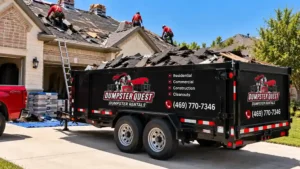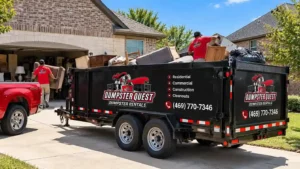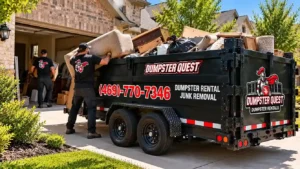
Commercial dumpster rental helps businesses manage waste from construction, cleanouts, and daily operations. If you’re a business owner or contractor, you’ll learn how to choose the right dumpster size, understand pricing, and ensure compliance to keep your site efficient and problem-free.
Commercial Dumpster Rental for Efficient Business Waste Management and Project Success
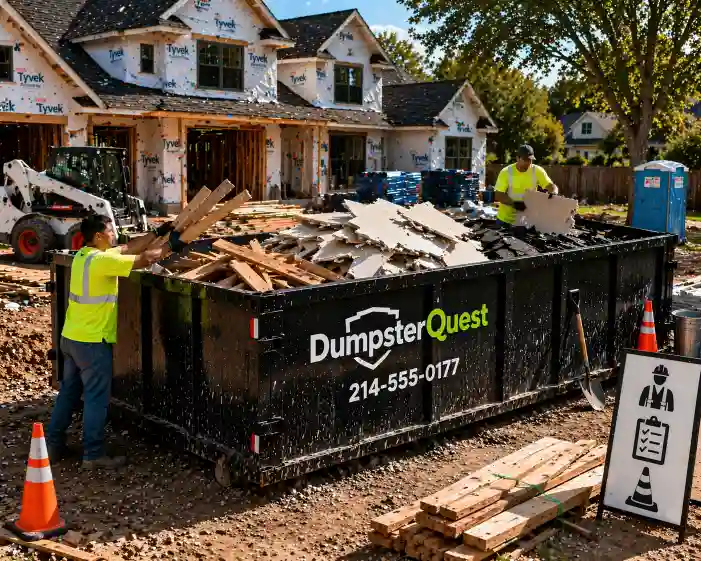
Businesses generate a different type and volume of waste compared to residential projects, which makes waste management even more crucial. Whether it’s a retail cleanout, an office renovation, or a large-scale construction project, businesses need a fast and reliable way to manage waste. If not handled properly, waste buildup can disrupt operations, delay projects, and lead to increased costs. A commercial roll-off dumpster rental offers a solution to this problem by providing businesses with the necessary tools to manage waste efficiently. By selecting the right dumpster size, scheduling pickups appropriately, and understanding local regulations, businesses can stay organized, compliant, and cost-effective. This is especially important in industries like construction dumpster rental services, where debris and waste can accumulate quickly and impact both safety and productivity.
Understanding commercial dumpster rental is key for business owners, contractors, and property managers. With the right service, you can keep your worksite clean, streamline waste disposal, and avoid interruptions. Whether you’re managing a retail space undergoing renovations, handling the debris from a construction site, or needing a solution for ongoing waste removal, a commercial dumpster rental is a versatile and essential service. For companies in North Dallas, partnering with a trusted provider like Dumpster Quest makes all the difference. Dumpster Quest offers dependable service and flexible scheduling to meet your specific needs. From choosing the right size dumpster to ensuring your rental is compliant with local waste disposal regulations, Dumpster Quest provides waste solutions tailored to your business, so you can focus on what matters most running a successful operation.
By working with Dumpster Quest, businesses not only ensure that waste is disposed of correctly, but they also receive expert advice and service that helps them optimize waste management and minimize disruptions, keeping their projects on track and their operations running smoothly.
What Is Commercial Dumpster Rental
Commercial dumpster rental is a service that provides large roll-off containers designed for business-related waste removal. These dumpsters are delivered to commercial properties, filled with debris, and then hauled away for proper disposal. They are commonly used for:
- Office renovations and cleanouts
- Retail store remodels
- Warehouse and industrial cleanups
- Construction and demolition projects
Unlike standard waste collection, commercial dumpsters are built to handle larger volumes and heavier materials.
Why Commercial Dumpster Rental Matters
Efficient waste management is essential for business operations.
Without a proper solution:
- Workspaces become cluttered
- Safety risks increase
- Productivity slows down
With a business waste management solution, waste is centralized and controlled, cleanup becomes faster, and projects stay on schedule.
With a commercial dumpster:
- Waste is centralised and controlled
- Cleanup becomes faster
- Projects stay on schedule
It also ensures compliance with local regulations and creates a more professional environment for clients and employees.
Types of Commercial Dumpster Rentals
Temporary Roll Off Dumpsters
These are used for short-term projects such as renovations, cleanouts, and construction. They are delivered and removed once the project is complete.
Long Term Commercial Dumpsters
Ideal for ongoing business operations that generate consistent waste, such as retail stores, offices, and warehouses.
Heavy Duty Construction Dumpsters
Designed for construction and demolition projects, these dumpsters handle large volumes of heavy debris.
Commercial Dumpster Size Comparison Table
| Dumpster Size | Best For | Typical Business Use | Capacity | Key Advantage |
| 10 Yard | Small projects | Office cleanouts, minor renovations | 3 loads | Compact and easy placement |
| 20 Yard | Medium projects | Retail remodels, roofing | 6 loads | Balanced size and cost |
| 30 Yard | Large projects | Warehouse cleanouts, renovations | 9 loads | Handles bulky debris |
| 40 Yard | Major operations | Commercial construction | 12+ loads | Maximum capacity |
This table helps businesses quickly identify the right dumpster size for their needs.
Benefits of Commercial Dumpster Rental
Improved Operational Efficiency
Having a dedicated waste solution allows teams to focus on work instead of managing debris.
Enhanced Safety
Reducing clutter minimises hazards and creates a safer working environment.
Cost Control
A single dumpster reduces transportation and labour costs associated with multiple disposal trips.
Flexible Scheduling
Dumpsters can be delivered and picked up based on your project timeline.
Professional Appearance
A clean and organised site reflects positively on your business.
How to Choose Commercial Dumpster Rental Effectively
Assess Your Waste Volume
Estimate how much debris your business or project will generate.
Consider Your Industry Needs
Different industries produce different types of waste. Construction, retail, and office environments all have unique requirements.
Choose the Right Size
Selecting the correct size prevents overflow and unnecessary costs.
Plan Placement
Ensure the dumpster is placed in a location that is accessible but does not disrupt operations.
Schedule Pickup Strategically
For ongoing projects, plan regular pickups to maintain efficiency.
Working with providers like Dumpster Quest ensures accurate recommendations and smooth coordination.
Real Commercial Use Cases
Office Renovation: 10 to 20 Yard Dumpster
When businesses undertake office renovations, they often generate a moderate amount of waste, such as old furniture, carpeting, drywall, and general debris. A 10 to 20-yard dumpster is typically sufficient for these smaller-scale projects. These sizes are compact enough for office settings, where space may be limited, but still offer enough capacity to handle the waste generated during remodeling, repainting, or updating office spaces. Choosing the right size helps avoid unnecessary costs associated with over-sized dumpsters while still keeping the jobsite clean and organized.
Retail Store Remodel: 20 Yard Dumpster
A 20-yard dumpster is often ideal for a retail store remodel. Retail renovations typically produce a larger volume of waste, including shelving, flooring, display fixtures, and other large debris. A 20-yard dumpster offers the right balance of size and efficiency for these projects, accommodating the heavier loads while maintaining a manageable size for the store’s location. It’s large enough to handle debris from substantial remodels but not so large that it occupies excessive space in a retail area.
Warehouse Cleanout: 30 Yard Dumpster
For a warehouse cleanout, where business owners or managers are clearing out bulkier and heavier materials like old equipment, large pallets, and industrial debris, a 30-yard dumpster is typically required. This size is ideal for larger-scale cleanouts where the waste is more substantial and bulky, yet the project is not on the same scale as commercial construction. It offers enough room to manage the waste effectively while keeping the project on track and minimizing the risk of overflow.
Commercial Construction: 40 Yard Dumpster
A 40-yard dumpster is best suited for large-scale commercial construction projects. These dumpsters are designed to handle massive amounts of debris, including construction materials, concrete, bricks, metal, wood, and other heavy construction waste. Given the volume and weight of materials involved in construction, a 40-yard dumpster is an efficient solution to ensure debris is removed regularly, keeping the worksite organized and safe. It also reduces the number of trips needed for waste removal, saving time and minimizing disruption to the project timeline.
Expert Insight from Dumpster Quest
From years of real-world experience, Dumpster Quest has found that many businesses underestimate the volume of waste they generate and the length of time they’ll need a dumpster. This often leads to a number of common challenges that can affect efficiency and increase costs. One of the most frequent mistakes is choosing smaller dumpsters to save costs, only to find that they quickly fill up and need to be replaced, leading to extra trips and higher expenses. Additionally, businesses often overlook the importance of planning for continuous waste removal, resulting in overflowing dumpsters and delayed pickups, which can disrupt operations. Another issue is overloading containers, which can violate weight limits and result in additional charges or even the refusal of service.
To avoid these pitfalls, Dumpster Quest recommends choosing one size larger when unsure about the expected waste volume. This ensures you have enough space and flexibility to handle the debris throughout the duration of your project. Additionally, planning for ongoing waste management including scheduling timely pickups and knowing when the dumpster will be full can prevent backups and costly delays. Lastly, it’s crucial to confirm weight limits and materials before loading the dumpster to ensure compliance with local regulations and avoid unexpected fees. By following these guidelines, businesses can avoid unnecessary delays, reduce hidden costs, and ensure their waste management process runs smoothly from start to finish.
Common Mistakes to Avoid
One of the most common mistakes businesses make is choosing a dumpster that is either too small or too large for their needs. Opting for a smaller dumpster can lead to frequent overflows and the need for additional pickups, which increases costs and disrupts operations. On the other hand, choosing a larger dumpster might seem like a way to avoid these issues, but it can result in paying for unused space and higher rental fees. It’s crucial to accurately estimate the volume of waste your project will generate and select a dumpster size that meets your needs without underestimating or overestimating the waste. When in doubt, it’s often safer to go one size up to ensure you have enough room for debris.
Ignoring Weight Limits
Each dumpster has a weight limit that must be adhered to. Exceeding these weight limits is a serious mistake that can lead to additional fees or even the refusal of service. Businesses may mistakenly assume that the dumpster can hold more than it actually can, especially when dealing with heavy materials like concrete, metal, or roofing shingles. Overloading the dumpster with heavy debris can also cause issues during transportation, making it unsafe for the hauler to pick up. To avoid these problems, always confirm the weight limits and ensure that your waste disposal plan accommodates these restrictions.
Blocking Access to the Dumpster
Proper placement of the dumpster is essential for both efficiency and safety. Blocking access to the dumpster whether by parking vehicles in front of it or placing it in a location with poor truck access can delay pickups and disrupt the waste removal process. If the dumpster is not easily accessible for the hauler, it may result in delayed pickups, causing waste to pile up and potentially hindering the progress of your project. Before scheduling a dumpster delivery, carefully consider where it will be placed to ensure clear and unobstructed access at all times.
Mixing Prohibited Materials
Different types of waste have different disposal requirements, and mixing prohibited materials with allowable ones can lead to serious complications. Many construction and commercial dumpsters have strict guidelines about what can and cannot be disposed of, such as hazardous materials, chemicals, batteries, paints, or electronics. If prohibited materials are found in the dumpster, it may result in fines, delays, or even rejection of the load. Always check the list of acceptable materials provided by your dumpster rental provider and ensure that everything disposed of is compliant with regulations.
Not Scheduling Timely Pickups
One of the most important aspects of maintaining a smooth waste removal process is planning for timely pickups. If you allow the dumpster to overfill or stay on-site too long, it can result in overflowing debris, cluttered job sites, and additional fees. For ongoing projects, it’s essential to schedule regular pickups to ensure that the dumpster remains within its limits and the site stays organized and safe. Planning ahead for timely pickups also helps prevent delays in your project timeline, allowing work to continue without interruptions.
Commercial Dumpster Rental for Long Term Business Efficiency and Waste Management
Understanding commercial dumpster rental is crucial for businesses to manage waste effectively and maintain a clean, productive environment. With the right planning, selecting the appropriate dumpster size, and partnering with a reliable provider, waste management can seamlessly integrate into daily operations. This not only ensures that waste is handled efficiently but also minimizes disruptions, improves safety, and helps businesses stay compliant with local regulations. For businesses in North Dallas, working with a trusted provider like Dumpster Quest offers dependable service, expert guidance, and flexible solutions tailored to your needs, allowing you to focus on running your business while leaving waste management in capable hands.
Get Reliable Commercial Dumpster Rental in North Dallas
Need a dependable waste solution for your business?
Work with Dumpster Quest for fast delivery, flexible rental options, and reliable service.
Visit the Dumpster Quest homepage or request a quote through the contact page to get started today.
Frequently Asked Questions
1. Commercial Dumpster Rental Near Me?
You can find commercial dumpster rental services through local providers that offer delivery and pickup in your area. Choosing a reliable provider ensures fast service, proper waste handling, and flexible scheduling for your business needs.
2. How Much Does a Commercial Dumpster Rental Cost?
Costs typically range from $400 to $1000 or more depending on size, debris type, rental duration, and location. Larger dumpsters and longer rental periods increase pricing, so planning ahead helps control costs.
3. What Size Commercial Dumpster Do I Need?
The right size depends on your business type and waste volume. Small cleanouts may need 10 to 20 yard dumpsters, while larger projects like warehouse cleanouts or construction require 30 to 40 yard containers.
4. What Is the Best Commercial Dumpster for My Business or Office?
The best dumpster depends on your waste type and frequency. Offices may need smaller dumpsters for cleanouts, while construction or retail projects require larger containers for heavy or bulky materials.
5. Why Should Property Managers Choose Commercial Dumpster Rentals?
Property managers benefit from efficient waste removal during tenant turnover, renovations, and maintenance projects. It helps keep properties clean, safe, and ready for occupancy.
6. Can Businesses Schedule Recurring Dumpster Rentals?
Yes, many providers offer recurring or long-term rental options for businesses that generate consistent waste. This ensures continuous waste management without interruption.
7. What Materials Can Businesses Dispose Of in a Dumpster?
Businesses can dispose of general waste, furniture, construction debris, and non-hazardous materials. Restricted items must be handled separately.
Key Takeaways
- Commercial dumpster rental improves efficiency and safety
- Choosing the right size prevents delays and extra costs
- Businesses benefit from flexible scheduling
- Proper planning ensures smooth operations
- Reliable providers support long-term waste management