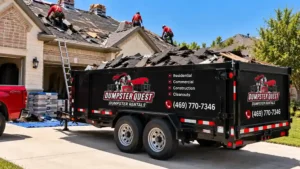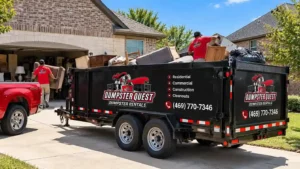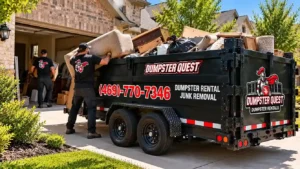
Most household items like junk, furniture, renovation debris, and yard waste can go in a residential dumpster. However, hazardous materials, chemicals, and restricted items need special disposal. Make sure to follow guidelines to avoid fines and ensure proper disposal.
What Can You Put in a Residential Dumpster for Safe and Efficient Home Cleanup
When tackling a home project, one of the main concerns is what can you put in a residential dumpster and understanding residential waste disposal rules. By familiarizing yourself with dumpster rental guidelines, you can ensure that your project stays on track, avoiding delays, additional fees, and disposal issues.
For homeowners in North Dallas, working with providers like Dumpster Quest ensures clear guidance on what is accepted and what needs special handling.
The Importance of Knowing What You Can Put in a Residential Dumpster
Knowing what is allowed is essential for avoiding complications.
If you include restricted items:
- The dumpster may be rejected
- Additional fees may apply
- Pickup could be delayed
If you follow guidelines:
- Disposal is faster and more efficient
- Costs remain predictable
- Your project stays on schedule
Understanding proper disposal is also important from an environmental standpoint. The U.S. Environmental Protection Agency explains in its household hazardous waste guidelines that improper disposal of certain materials can pose risks to both health and the environment.
What You Can Put in a Residential Dumpster
Household Junk and Furniture
Most everyday household items are accepted, including:
- Sofas, chairs, and tables
- Mattresses and bed frames
- Clothing, boxes, and general clutter
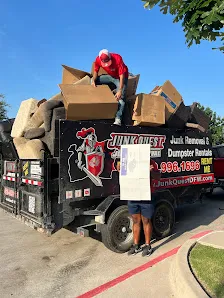
This makes dumpsters ideal for decluttering, moving, and estate cleanouts.
Renovation and Construction Debris
Common materials include:
- Drywall and wood
- Cabinets and fixtures
- Flooring and tiles
These are standard for home renovation and improvement projects.
Yard Waste and Landscaping Debris
You can typically dispose of:
- Branches and shrubs
- Leaves and grass
- Garden waste
This is useful for seasonal cleanup and landscaping projects.
Appliances and Bulky Items
Many residential dumpsters accept:
- Washers and dryers
- Stoves and dishwashers
- Large household items
Some items may require preparation, so it is best to confirm with your provider.
What You Cannot Put in a Residential Dumpster
Hazardous Materials
These are strictly prohibited:
- Paints and solvents
- Chemicals and pesticides
- Oils and fuels
For safe disposal, the Texas Commission on Environmental Quality provides guidance through its household hazardous waste program, which helps residents dispose of these materials properly.
Electronics and Batteries
Items such as:
- TVs and computers
- Lithium batteries
often require specialised recycling.
Tires and Automotive Waste
Tires and certain vehicle parts are not accepted due to disposal regulations.
Medical and Biohazard Waste
Items like needles or medical waste must be handled separately and cannot be placed in a dumpster.
Tips for Using a Residential Dumpster Effectively
Sort Materials Before Loading
Separating allowed and restricted items helps avoid issues during pickup.
Load Efficiently
Place heavier items at the bottom and lighter materials on top to maximise space.
Avoid Overfilling
Keep debris below the fill line to ensure safe transport.
Confirm Before Disposal
When in doubt, check with your provider. Working with Dumpster Quest helps ensure everything is handled correctly.
Expert Insight from Dumpster Quest
From real residential projects, Dumpster Quest has found that many homeowners assume everything can go into a dumpster.
This often leads to:
- Rejected loads
- Additional fees
- Delays in pickup
Their recommendation:
- Always review restricted items before loading
- Plan disposal for hazardous materials separately
- Ask questions before starting your project
This approach ensures a smoother and more efficient experience.
Common Mistakes to Avoid
- Throwing in prohibited materials
- Overloading beyond the fill line
- Mixing heavy and light debris inefficiently
- Not checking local disposal rules
- Assuming all items are accepted
Avoiding these mistakes helps prevent delays and extra costs.
What Can You Put in a Residential Dumpster for Better Waste Management and Compliance
Understanding what you can dispose of in a residential dumpster ensures that waste management is efficient and compliant with local regulations. With proper planning and awareness of waste disposal guidelines, you can avoid complications, reduce environmental impact, and keep your project moving forward.
For North Dallas homeowners, working with providers like Dumpster Quest ensures reliable service and clear disposal guidelines.
Get Help with Residential Dumpster Use in North Dallas
Need help understanding what you can throw away? Work with Dumpster Quest for expert guidance, fast delivery, and dependable dumpster rental services.
Visit the Dumpster Quest homepage or request a quote through the contact page to get started today.
Frequently Asked Questions
1. How Does Residential Dumpster Rental Pricing Work?
Pricing is based on dumpster size, rental duration, and weight limits. Most providers offer flat-rate pricing that includes delivery, pickup, and disposal within a set allowance. Additional fees may apply if you exceed limits or dispose of restricted materials.
2. How Much Does a Residential Dumpster Rental Cost?
Residential dumpster rental typically costs between $300 and $800 depending on size, debris type, and location. Larger dumpsters and heavier materials may increase costs, and additional fees can apply for overages.
3. What Size Residential Dumpster Do I Need?
The right size depends on your project type and waste volume. Small cleanouts may need a 10 yard dumpster, while larger projects often require 20 to 30 yard containers.
4. How Long Can You Keep a Residential Dumpster?
Most residential dumpster rentals last between 7 and 14 days. Extensions are usually available if your project takes longer, often with an additional daily fee.
5. Can You Throw Everything in a Residential Dumpster?
No, not everything is allowed. Hazardous materials, chemicals, electronics, and certain restricted items must be disposed of separately according to local regulations.
Key Takeaways
- Most household, renovation, and yard waste can go in a dumpster
- Hazardous and restricted items are not allowed
- Sorting materials helps avoid fees and delays
- Proper loading improves efficiency and safety
- Following guidelines ensures smooth disposal