Are you a homeowner, DIY renovator, or contractor unsure which dumpster size is right for your project? Choosing the wrong size can lead to extra costs, limited space, and unnecessary delays during cleanup or construction. This guide will help you compare dumpster sizes, understand common project needs, and choose the right rental with confidence.
Planning Ahead: Estimating the Right Dumpster Size
Figuring out “how do I know what size dumpster I need?” can feel overwhelming, especially if it is your first time renting one. Many people searching for what size dumpster do I need for my project underestimate how much waste their cleanup or renovation will generate.
This guide breaks down exactly how to choose the right dumpster size with confidence and accuracy.
Why Dumpster Size Directly Impacts Cost and Timeline
Choosing the correct dumpster size has a measurable impact on both your budget and how efficiently your project runs.
It helps you:
- Avoid paying for an additional haul, which can increase total costs by 30% to 50% depending on your provider
- Stay within weight limits, preventing overage charges that are often billed per ton
- Keep your job site clear, reducing delays caused by debris buildup and limited workspace
- Complete projects faster by minimizing interruptions from scheduling extra pickups
Selecting the right size upfront can mean the difference between finishing on schedule with one flat fee or dealing with multiple pickups, added charges, and extended timelines.
Dumpster Size Guide for Home Renovation and Cleanup Projects
Understanding this dumpster size guide for home renovation projects makes it easier to match your cleanup needs with the right container size.
10 Yard Dumpster
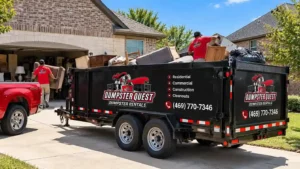
A 10-yard dumpster is best suited for small-scale projects such as garage cleanouts, minor home decluttering, and light renovation work. It can comfortably handle relatively small amounts of debris, making it a practical option for tasks like clearing out a single room, disposing of old furniture, or managing waste from minor repairs. Its compact size also makes it easier to place in driveways or tight spaces while still providing enough capacity for simple cleanup jobs.
20 Yard Dumpster
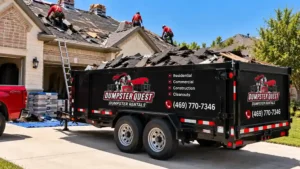
A 20-yard dumpster is ideal for home renovations, roofing jobs, and medium-sized cleanouts. This size is commonly used for projects like kitchen remodels, flooring removal, and multi-room decluttering, where debris volume exceeds small cleanouts but does not require a large container.
30 Yard Dumpster
Suitable for large home remodels, estate cleanouts, and bulky debris. This size is a good fit for projects like whole-home renovations, major additions, or clearing out large amounts of furniture and household items. It offers enough capacity to handle significant waste volume while still fitting in most residential driveways.
40 Yard Dumpster
Designed for construction projects, demolition, and large-scale cleanups. This is the largest standard option, typically used for commercial jobs, full structural tear-downs, or major building projects. It can handle heavy and bulky materials, but space requirements and weight limits should be considered before choosing this size.
How to Choose the Right Dumpster Size for Your Project
Estimate Your Debris Volume More Accurately
Choosing the right container starts with understanding your project scope. If you are researching how to choose the right dumpster size, focusing on volume, weight, and material type will help you make an accurate decision.
- 10 yard dumpster: 3 pickup truck loads
- 20 yard dumpster: 6 pickup truck loads
- 30 yard dumpster: 9 pickup truck loads
- 40 yard dumpster: 12 pickup truck loads
For example, a single-room cleanout may only fill a 10 yard dumpster, while a full kitchen remodel or flooring removal across multiple rooms often reaches 20 yards or more.
Renting in Plano? See our dumpster rental in Plano, TX page for pricing and delivery details.
Understand Weight Limits and Material Impact
Volume is only half the equation, weight limits can affect your final cost.
Most dumpsters come with set weight allowances:
- 10 yard: 1-3 tons (2,000-6,000 lbs)
- 20 yard: 2-4 tons (4,000-8,000 lbs)
- 30 yard: 3-5 tons (6,000-10,000 lbs)
- 40 yard: 4-6 tons (8,000-12,000 lbs)
Heavy materials like concrete, roofing shingles, and dirt can exceed limits quickly, even if the dumpster is not full. Lighter debris such as furniture or household junk typically stays within range.
Plan for Real-World Cost Scenarios
Underestimating size often leads to higher rental costs.
For instance:
- Renting a 20 yard dumpster for a home renovation may cost a flat rate, but exceeding capacity could require a second haul, increasing total expenses by 30% to 50%.
- Alternatively, choosing a 30 yard dumpster upfront may cost slightly more initially but eliminates the need for additional pickups and reduces downtime.
In most cases, sizing up one level is more cost-effective than paying for overages or scheduling multiple hauls mid-project.
Evaluate Your Space
Before renting a dumpster, make sure you have enough room for delivery and placement. Check the area for vehicles, low branches, or other obstacles that could block access. Larger dumpsters may also require extra clearance for safe maneuvering and pickup.
Compare Size And Cost
Choosing the right dumpster size can help you avoid unnecessary expenses. A container that is too small may require extra hauls, while one that is too large could leave you paying for unused space. It’s also important to compare pricing, weight limits, and local permit requirements before delivery.
Expert Insight From Dumpster Quest
One of the most common issues customers face is underestimating their project size.
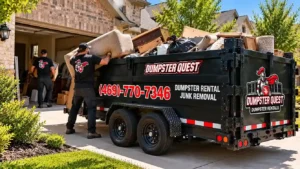
Teams like Dumpster Quest often recommend selecting a slightly larger dumpster when there is uncertainty. This approach reduces the risk of overfilling, avoids additional haul fees, and keeps projects moving without interruption.
Common Mistakes When Choosing Dumpster Size
- Choosing the smallest option to save money upfront
- Underestimating debris volume
- Ignoring weight limits for heavy materials
- Not accounting for project expansion
- Overlooking placement space
These mistakes often lead to real, measurable setbacks. For example, selecting a dumpster that is too small can require a second haul, increasing total costs by 30% to 50% and delaying your project by one to two days. Exceeding weight limits may trigger overage fees billed per ton, which can quickly add up when disposing of materials like roofing shingles or concrete. Limited placement space can also result in delivery issues or the need to reposition the container, adding extra service charges. Choosing the right size from the start helps you avoid these unnecessary costs and keeps your project on schedule.
Final Thoughts on How Do I Know What Size Dumpster I Need
Choosing the right dumpster size depends on your debris volume, material weight, and available space. A 10-yard dumpster is ideal for small cleanouts, while 20-yard, 30-yard, and 40-yard options are better for renovations and larger projects. If you are unsure between two sizes, choosing the larger option can help you avoid extra hauling costs and keep your project on schedule. Reviewing weight limits and project estimates ahead of time can also make the rental process much easier. .
Get Help Choosing The Right Dumpster Size
If you are still unsure how to know what size dumpster you need, exploring options with Dumpster Quest can help you make a more informed decision based on your project type and timeline.
Still unsure which size fits your project? Get a free size recommendation from Dumpster Quest before you book to avoid overpaying or scheduling extra hauls.
Frequently Asked Questions
1. Which size should you choose?
A dumpster size chart compares different dumpster capacities and their ideal uses. It helps you match your project type with the correct size, ensuring you do not overpay or run out of space during your cleanup or renovation.
2. What size dumpster do I need?
The right size depends on your project. Small cleanouts use 10 yard dumpsters, while most home renovations require 20 yard dumpsters. Larger projects often need 30 or 40 yard containers.
3. How do dumpster sizes and prices compare?
Smaller dumpsters cost less upfront but may require multiple hauls. Larger dumpsters cost more initially but often provide better overall value by reducing the need for additional rentals and saving time.
4. How long can you keep a dumpster rental?
Most dumpster rentals include a standard rental period of 7 to 10 days, though this can vary by provider. Keeping the dumpster longer may result in additional daily fees, so it is important to plan your project timeline accordingly.
5. What is a standard dumpster size?
Standard dumpster sizes include 10, 20, 30, and 40 yard containers. Each size is designed for different project types, from small residential cleanouts to large construction jobs.
Key Takeaways
- Dumpster size should match your project scope and debris volume
- A 20 yard dumpster is the most commonly used option
- Sizing up one level is often cheaper than paying 30–50% in overage fees for a second haul
- Underestimating size leads to higher overall costs
- Choosing slightly bigger helps avoid delays and extra fees