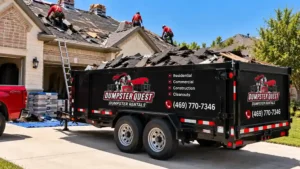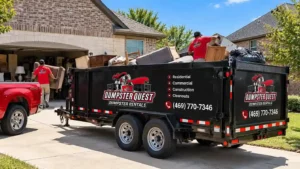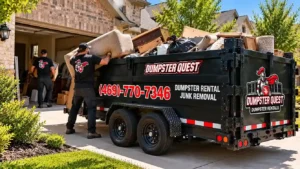
Standard dumpster sizes range from 10 to 40 yards, with 10, 20, 30, and 40 yard options suited for different project types. Choosing the right size helps avoid extra costs, delays, and multiple hauls. Whether you are a homeowner doing a cleanout or a contractor managing a build, selecting the right dumpster keeps your project running smoothly.
What Is a Standard Dumpster Size for Your Project?
Understanding what is a standard dumpster size is essential before starting any cleanup, renovation, or construction project. If you are exploring your options for dumpster rental services, choosing the right size early can help you avoid unnecessary costs and delays.
.Accurate sizing comes down to evaluating your project’s waste volume and materials before you begin. This guide breaks down standard dumpster sizes and shows you how to choose the right option confidently.
Standard Dumpster Sizes Explained
The term what is a standard dumpster size refers to the commonly available dumpster capacities used across residential, commercial, and construction projects.
Most standard roll off dumpster sizes include:
- 10 yard dumpster
- 20 yard dumpster
- 30 yard dumpster
- 40 yard dumpster
These sizes are measured in cubic yards and represent how much debris each dumpster can hold.
Renting in Plano? See our dumpster rental in Plano, TX page for pricing and delivery details.
How Dumpster Size Impacts Cost, Capacity, and Project Efficiency
Knowing standard dumpster sizes helps you plan more efficiently and avoid costly mistakes.
It allows you to:
- Choose the right dumpster for your project
- Avoid overfilling or underutilising space
- Reduce the need for multiple hauls
- Stay within budget and timeline
Choosing the right dumpster size upfront can reduce total project costs by up to 30% to 50% by avoiding additional hauls, overage fees, and delays.
Common Dumpster Sizes And Dimensions
- 10 Yard Dumpster: Best for small cleanouts, garage decluttering, and minor projects. Compact and easy to place in tight spaces, typically around 12-14 feet long. This size holds about 3 pickup truck loads and works well for single-room cleanouts, small landscaping jobs, or light debris.
- 20 Yard Dumpster: One of the most popular options for residential use. Ideal for home renovations, roofing jobs, and medium-sized cleanouts such as kitchen remodels or flooring removal. It usually measures around 20-22 feet long and holds about 6 pickup truck loads, offering a balance between capacity and space requirements.
- 30 Yard Dumpster: Suitable for large remodels, estate cleanouts, and bulky debris. This size is commonly used for whole-home cleanouts, major additions, or large furniture disposal. It holds roughly 9 pickup truck loads and provides enough capacity for high-volume projects while still fitting in most driveways.
- 40 Yard Dumpster: Designed for construction, demolition, and large-scale cleanups. This is the largest standard size, typically used for commercial jobs or full structural tear-downs. It holds around 12 pickup truck loads and can handle heavy, bulky materials, but requires more space for delivery and placement.
Standard Roll Off Dumpster Sizes And Their Uses
| Dumpster Size | Capacity | Ideal Use |
| 10 Yard | Small | Minor cleanouts, yard debris |
| 20 Yard | Medium | Renovations, roofing |
| 30 Yard | Large | Major remodels, cleanouts |
| 40 Yard | Extra Large | Construction, demolition |
This breakdown highlights how standard roll off dumpster sizes align with different project needs.
Typical Dumpster Sizes For Residential Projects
Most residential projects fall within the 10 to 30 yard range.
- Small home cleanouts use 10 yard dumpsters
- Kitchen or bathroom remodels use 20 yard dumpsters
- Whole-home cleanouts often require 30 yard dumpsters
Choosing the right size ensures you have enough space without paying for unused capacity.
How To Choose Standard Dumpster Size Effectively
Estimate Your Waste Volume
Think about how much debris your project will generate. It is better to slightly overestimate than run out of space.
Consider Material Type
Heavy materials like concrete or roofing shingles may require smaller dumpsters due to weight limits.
Plan For Extra Waste
Projects often produce more debris than expected. Choosing a slightly larger dumpster can prevent additional rentals.
Compare Size And Cost
Understanding how size affects pricing helps you select the most cost-effective option for your project.
Evaluate Placement Space
Ensure there is enough room for delivery and safe placement of the dumpster.
Expert Insight From Dumpster Quest
One of the most common challenges customers face is underestimating their dumpster needs.
Professionals at Dumpster Quest often recommend selecting a slightly larger dumpster when there is uncertainty. This helps avoid overage fees, reduces interruptions, and keeps projects running efficiently.
Common Mistakes When Choosing Dumpster Size
- Choosing the smallest size to save money upfront
- Underestimating debris volume
- Ignoring weight limits for heavy materials
- Not planning for project expansion
- Overlooking space requirements for delivery
Avoiding these mistakes minimizes extra fees and keeps your project running on time without interruptions.
What Is A Standard Dumpster Size For Better Project Results
Understanding a standard dumpster size allows you to plan smarter and complete your project without unnecessary delays.
By choosing the right size based on your needs, you can reduce costs, improve efficiency, and keep your project on track. The right dumpster size is a key factor in overall project success.
Get Help Choosing The Right Dumpster Size
If you are unsure what standard dumpster size for your specific project, reviewing options with Dumpster Quest can help you make a more informed decision.
Get a free, no-obligation dumpster size recommendation from Dumpster Quest before you book to avoid extra costs and delays.
Frequently Asked Questions
1. Dumpster size chart which size should you choose?
A dumpster size chart helps compare different dumpster sizes and their capacities. It allows you to match your project needs with the appropriate container, ensuring efficiency and avoiding unnecessary costs or multiple rentals.
2. What size dumpster do i need?
The right size depends on your project scope. Small cleanouts use 10 yard dumpsters, while most renovations require 20 yard dumpsters. Larger projects often need 30 or 40 yard containers.
3. How do dumpster sizes and prices compare?
Smaller dumpsters cost less upfront but may require multiple rentals. Larger dumpsters cost more initially but often provide better value by reducing the need for additional hauls and saving time.
4. How do i know what size dumpster i need?
Estimate your debris volume and project type. When unsure, choosing a slightly larger dumpster can help prevent overflow, additional costs, and project delays.
5. Do you need a permit for a dumpster rental?
Permits are typically required if the dumpster will be placed on a public street or sidewalk. Requirements vary by city, and failing to secure one can result in fines or delivery delays, so it is important to check local regulations in advance.
Key Takeaways
- Standard dumpster sizes range from 10 to 40 yards
- A 20 yard dumpster is the most commonly used option
- Larger dumpsters provide better value for bigger projects
- Choosing the right size prevents extra costs and delays
- Planning ahead improves efficiency and project success