Homeowners and contractors often struggle with disposing of heavy concrete, brick, and asphalt safely without exceeding weight limits or causing project delays. This blog explains when a concrete dumpster is needed and how to choose the right one for demolition, driveway removal, or construction projects. You’ll learn how to manage heavy debris properly while avoiding costly disposal mistakes.
Heavy Debris Disposal: When a Concrete Dumpster Makes Sense
Concrete removal is one of the most challenging parts of any renovation or construction project, especially when dealing with heavy materials like driveways, patios, and slabs that can quickly exceed weight limits. Understanding what is a concrete dumpster and when do you need one helps homeowners and contractors avoid overweight fees, improve job site safety, and keep projects on schedule.
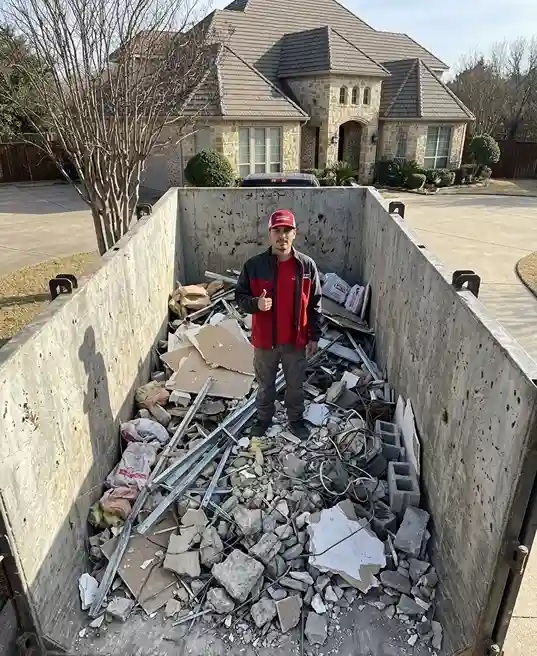
A concrete dumpster is a heavy-duty roll-off container designed specifically for dense materials such as concrete, asphalt, brick, and masonry debris. Unlike standard dumpsters, these are built around strict weight limits rather than volume, which is why sizing for construction dumpster rental projects is typically smaller and more specialized for heavy debris disposal.
Benefits and Types of Concrete Dumpsters
Concrete dumpsters are designed to handle heavy, dense materials safely and efficiently, helping homeowners and contractors manage demolition and construction debris without exceeding weight limits or causing delays.
Small Concrete Dumpsters
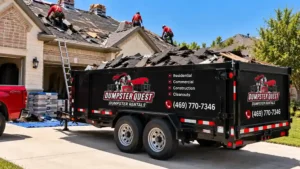
Typically 10-yard containers, these are best for lighter-scale concrete removal projects such as patio tear-outs, sidewalk demolition, and small residential work. Their compact size makes them easier to place in tight driveways or limited job sites while still handling heavy debris effectively.
Benefits: Lower cost, easier placement, and ideal for small, controlled loads.
Medium Concrete Dumpsters
Usually ranging from 15 to 20 yards, these dumpsters are suited for larger jobs like driveway removal, roofing tear-offs, and mid-sized renovations. They offer a practical balance between capacity and weight management, making them a common choice for residential contractors.
Benefits: More flexibility, better for mixed debris, and fewer haul trips.
Specialized Heavy Debris Dumpsters
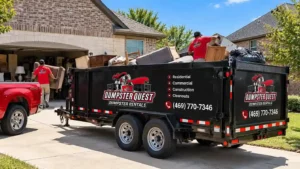
Built specifically for dense materials like concrete, brick, and asphalt, these containers are engineered to meet strict weight limits and ensure safe transport. They reduce the risk of overloading and are often recommended for construction and demolition projects by providers.
Benefits: Maximum safety for heavy loads, compliance with weight regulations, and reduced risk of costly overage fees.
When Do You Need a Concrete Dumpster
- Driveway or Patio Removal: Concrete slabs from driveways and patios are extremely heavy. A dedicated dumpster ensures safe removal and transport.
- Construction and Demolition Projects: Large projects generate significant amounts of concrete debris that cannot be handled with standard dumpsters.
- Foundation Removal: Breaking up foundations produces dense materials that require specialised containers.
- Landscaping Projects: Hardscape removal, such as retaining walls or stone features, also requires concrete dumpsters.
- Commercial Job Sites: Businesses and contractors rely on concrete dumpsters for efficient debris management and site safety, especially when it comes to dumpster rentals for contractors.
Concrete Waste Disposal Guide
| Dumpster Size | Best For | Typical Weight Capacity | Common Use |
| 10 Yard | Small jobs | 2 to 4 tons | Patios, sidewalks |
| 15 Yard | Medium jobs | 3 to 5 tons | Driveways |
| 20 Yard | Larger jobs | 4 to 6 tons | Renovations |
| 30 Yard | Limited heavy use | Varies | Mixed debris |
Real-Life Experience: Why Concrete Dumpsters Matter
A homeowner in North Dallas recently tore out an old 500 sq. ft. driveway, assuming a 20-yard dumpster would be enough since it looked like “not that much concrete.” Halfway through loading, the dumpster appeared only partially full, but it had already exceeded its weight limit.
The result was a costly lesson: the hauler couldn’t legally transport it, so the homeowner had to order a second dumpster and pay overweight fees on the first one. What should have been a simple weekend project turned into a delayed, more expensive cleanup.
After that, the contractor switched to recommending a 10-yard dumpster for dense concrete jobs, showing that weight, not space, is the real factor that determines the right container size.
What Is a Concrete Dumpster and When Do You Need One for Safe and Efficient Cleanup
Knowing what a concrete dumpster is and when you need one helps you manage heavy debris safely. Because concrete is dense and quickly reaches weight limits, choosing the right dumpster plays a key role in avoiding delays, reducing costs, and ensuring proper disposal.
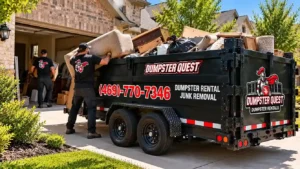
Whether you’re handling a small home renovation or a large construction project, selecting the correct container improves safety, streamlines cleanup, and ensures compliance with weight restrictions. For projects in North Dallas, Dumpster Quest provides reliable dumpster solutions tailored specifically for heavy debris removal.
Get Expert Help Choosing Your Concrete Dumpster Today
Look for companies that provide reliable dumpster rental services designed specifically for heavy debris like concrete, helping homeowners and contractors in North Dallas get the right container for their job.
Visit the Dumpster Quest homepage or contact their team today to schedule your dumpster and get expert sizing guidance.
Frequently Asked Questions
1. What size dumpster do I need for concrete?
For most concrete projects, a 10–20 yard dumpster is ideal since concrete is very heavy and reaches weight limits quickly. Small jobs like patios usually need a 10-yard, while driveways or larger removals typically require a 15–20 yard dumpster.
2. How much concrete can a dumpster hold?
A dumpster can hold about 2 to 6 tons of concrete, depending on its size. Smaller 10-yard dumpsters typically handle around 2–4 tons, while larger 20-yard containers may hold up to 6 tons, but weight limits are usually the main restriction before space runs out.
3. How Much Does a Concrete Dumpster Rental Cost?
Concrete dumpster rental typically ranges from $300 to $900 depending on size, capacity limits, location, and rental duration. Heavier loads and longer rentals may increase costs.
4. Can You Put Concrete and Other Debris in the Same Dumpster?
In many cases, concrete must be separated from other materials. Mixing debris can result in additional fees or require a different type of dumpster based on local disposal regulations.
5. Do Concrete Dumpsters Have Strict Weight Limits?
Yes, they are designed with strict limits to ensure safe transportation. Exceeding these limits can lead to overage charges and safety concerns.
Key Takeaways
- Choose a concrete dumpster specifically built for heavy debris like concrete, brick, and asphalt
- Start with smaller sizes (10–20 yards) since weight limits matter more than space
- Plan your budget around dumpster size, debris weight, and total project scope
- Estimate your load early to avoid overweight fees, delays, or extra hauls
- Work with experienced providers to ensure correct sizing and safe, compliant disposal