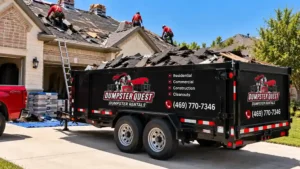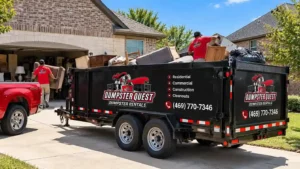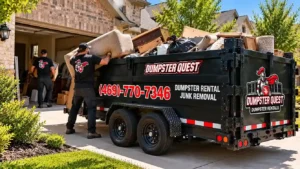
Downsizing a home often leads to more clutter than expected, making it difficult to estimate how much space is needed for furniture, boxes, and unwanted belongings. This guide helps homeowners planning a move, retirement transition, or major decluttering project understand common dumpster sizes and how to choose the right one. Readers will learn how to avoid costly overflows, reduce stress, and select the most efficient dumpster for a smooth cleanout.
Choosing the Right Dumpster Size for Downsizing and Moving
Downsizing a home often becomes more emotional and overwhelming than people expect. What dumpster size is best for downsizing a home depends on the amount of furniture, storage items, and household clutter being removed during a move or major cleanout. Downsizing often creates more waste than homeowners expect, especially when clearing out garages, attics, spare rooms, and long-term storage spaces. Choosing the right dumpster size helps streamline the process, reduce hauling trips, and keep the project organized.
Downsizing projects commonly involve:
- Furniture disposal
- Garage cleanouts
- Estate decluttering
- Storage room cleanups
- Move-out junk removal
- Downsizing before retirement
- Whole-home cleanouts
Most residential downsizing projects use roll off dumpsters because they provide convenient on-site disposal throughout the cleanout process.
Why a Downsizing Dumpster Rental Guide Matters
A clear downsizing dumpster rental guide helps homeowners choose a container that matches the actual volume of furniture, boxes, and household clutter being removed, making it easier to determine the best dumpster size for downsizing. Without proper planning, it’s easy to underestimate how much waste a full home declutter can generate or, on the other hand, pay for more capacity than you actually need.
When the Dumpster Is Too Small
Choosing a dumpster that’s too small can quickly disrupt your project timeline and workflow:
- Debris accumulates faster than it can be loaded
- A second dumpster or haul-away may be required
- The cleanout process slows down significantly
- Overall project costs can increase unexpectedly
When the Dumpster Is Too Large
Overestimating your needs can also create avoidable challenges:
- You may pay for unused dumpster space
- Larger units can take up significant driveway area
- Placement may become more restrictive in tight residential spaces
- Loading efficiency may decrease if the dumpster feels “too empty”
Selecting the right size from the start keeps your downsizing project efficient, organized, and cost-effective while minimizing interruptions during the cleanout process.
Benefits Features or Types
10 Yard Dumpster
Best for:
- Small apartments
- Minor decluttering
- Garage cleanouts
- Heavy debris in smaller quantities
This size typically holds about three pickup truck loads.
20 Yard Dumpster
The most popular residential option for downsizing.
Ideal for:
- Medium-sized homes
- Furniture removal
- Multi-room cleanouts
- General household clutter
A 20-yard dumpster typically holds around six pickup truck loads.
30 Yard Dumpster
Recommended for:
- Large family homes
- Estate cleanouts
- Multi-generational downsizing
- Bulky furniture disposal
This size provides additional capacity for large-scale cleanouts.
40 Yard Dumpster
Usually used for:
- Major estate projects
- Foreclosure cleanouts
- Large renovation debris
- Commercial property transitions
Efficient Dumpster Use for Home Decluttering
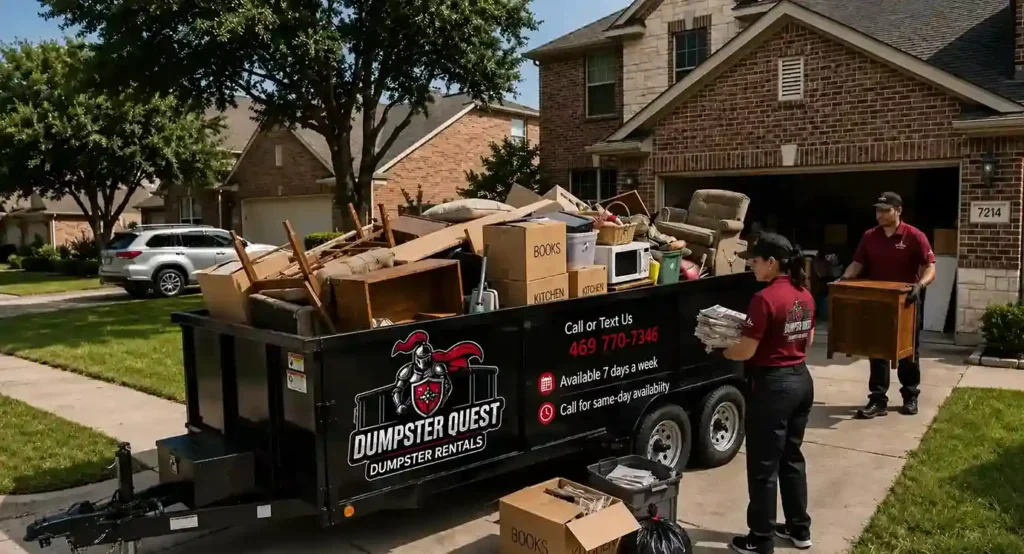
Using a dumpster rental during home decluttering, along with a clear downsizing home dumpster rental guide, helps keep the downsizing process structured, manageable, and far less overwhelming. Instead of letting clutter build up in every room, a clear plan for loading and sorting ensures steady progress.
- Work Room by Room: Tackle one area at a time to maintain focus and prevent the entire home from feeling chaotic. This approach also makes it easier to track progress and avoid duplicate effort.
- Sort Items Into Clear Categories: Separate belongings into keep, donate, and dispose piles. Having defined categories speeds up decision-making and reduces hesitation during the cleanup process.
- Remove Bulky Items Early: Start with large furniture and appliances. Clearing these first frees up space quickly and makes it easier to load smaller items efficiently afterward.
- Plan for More Waste Than Expected: Most downsizing projects generate more debris than anticipated, especially when clearing storage-heavy areas like garages, attics, and closets.
- When in Doubt, Size Up: Choosing a slightly larger dumpster can help avoid overflow issues, reduce the need for additional rentals, and keep the project timeline on track.
Many North Dallas homeowners rely on Dumpster Quest because experienced guidance helps match dumpster sizes to realistic downsizing project needs.
Common Downsizing Project Examples
| Project Type | Recommended Dumpster Size |
| Apartment Downsizing | 10 Yard |
| Medium Home Decluttering | 20 Yard |
| Large Family Home | 30 Yard |
| Estate Transition | 30 to 40 Yard |
The 20-yard dumpster is often considered the safest middle-ground choice for most residential downsizing projects.
Emotional Challenges During Downsizing
Downsizing is not just a physical task, it’s often an emotional process that can feel unexpectedly difficult. Many homeowners find themselves slowing down or second-guessing decisions as they go through years of accumulated belongings that carry personal meaning.
Sentimental items and family heirlooms can make it especially hard to decide what to keep and what to let go. Even everyday objects stored for years can trigger hesitation, leading to decision fatigue as the cleanout progresses. Large furniture pieces can also add another layer of difficulty, particularly when they’re tied to memories or require extra effort to remove.
Using a dumpster during this process can help simplify decision-making by providing a single, practical space for items that are no longer needed. This reduces the pressure of sorting everything perfectly and allows homeowners to focus on completing the downsizing project at a manageable pace.
Smart Loading Strategies for Downsizing Projects
- Load Heavy Items First: Furniture and appliances should go in before lighter materials.
- Break Down Boxes: Flattening cardboard saves valuable space.
- Fill Empty Gaps Carefully: Smaller debris can fit around bulky items efficiently.
- Avoid Overloading: Stay below the fill line for safe transport.
- Keep Frequently Used Access Areas Open: Maintain clear walkways and driveway access during cleanup.
Expert or Brand Insight
From real residential downsizing projects across North Dallas, Dumpster Quest has found that homeowners often underestimate how much clutter accumulates in garages, storage rooms, and spare bedrooms over time.
One of the biggest surprises during downsizing projects comes from forgotten storage areas filled with old furniture, boxes, seasonal decorations, and unused appliances.
Another common issue is choosing dumpsters that are too small. Many homeowners initially select smaller dumpsters to reduce costs, only to discover they need additional hauls later.
What Dumpster Size Is Best for Downsizing a Home for Better Project Planning
Choosing the right dumpster size is a key step in making any downsizing project more efficient and manageable. It helps prevent common issues like running out of space mid-cleanout or paying for more capacity than needed, both of which can slow down progress and add unnecessary stress, especially when using a dumpster rental for home decluttering.
With a bit of upfront planning, homeowners can keep the process organized, stay on schedule, and handle furniture, boxes, and household clutter in a more structured way.
Get Reliable Dumpster Rental Help for Downsizing
Need help choosing the right dumpster size for your downsizing project?
Explore Dumpster Quest for dependable dumpster rentals, flexible scheduling, and fast delivery throughout North Dallas.
For project assistance or scheduling support, visit the contact us page for more information.
Frequently Asked Questions
1. What size dumpster do I need when moving out?
Most residential move-outs use 10 to 20-yard dumpsters depending on the amount of household junk, furniture, and debris being removed.
2. How many loads does a 20-yard dumpster hold for a house cleanout?
A 20-yard dumpster usually holds around six pickup truck loads of furniture, household clutter, and mixed debris.
3. Do I need a permit to put a dumpster in my driveway when moving?
Most private driveway placements do not require permits, but street placement may require local municipal approval.
4. How does same day dumpster delivery for moving work?
If local availability allows, many providers can arrange same-day delivery for urgent move-out and decluttering projects.
5. What is the most efficient way to load a house cleanout dumpster?
Load bulky furniture first, place heavier items at the bottom, flatten boxes, and distribute debris evenly to maximise space.
Key Takeaways
- Downsizing projects commonly use 10 to 30-yard dumpsters
- 20-yard dumpsters are ideal for most home decluttering projects
- Downsizing often creates more debris than expected
- Strategic loading improves dumpster capacity efficiency
- Proper planning reduces delays and additional rental costs