Construction dumpster rental is crucial for managing jobsite debris effectively. Contractors and project managers often struggle with choosing the right size, staying within weight limits, and timing their rental correctly. This guide will help you select the proper dumpster, avoid costly mistakes, and ensure a streamlined, cost-effective cleanup process for your construction project.
Streamline Your Jobsite with Construction Dumpster Rentals
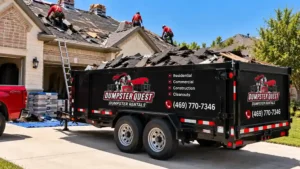
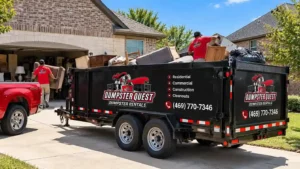
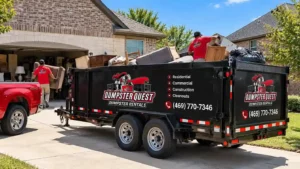
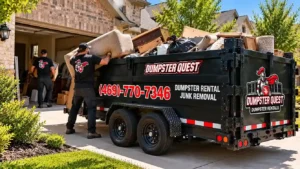
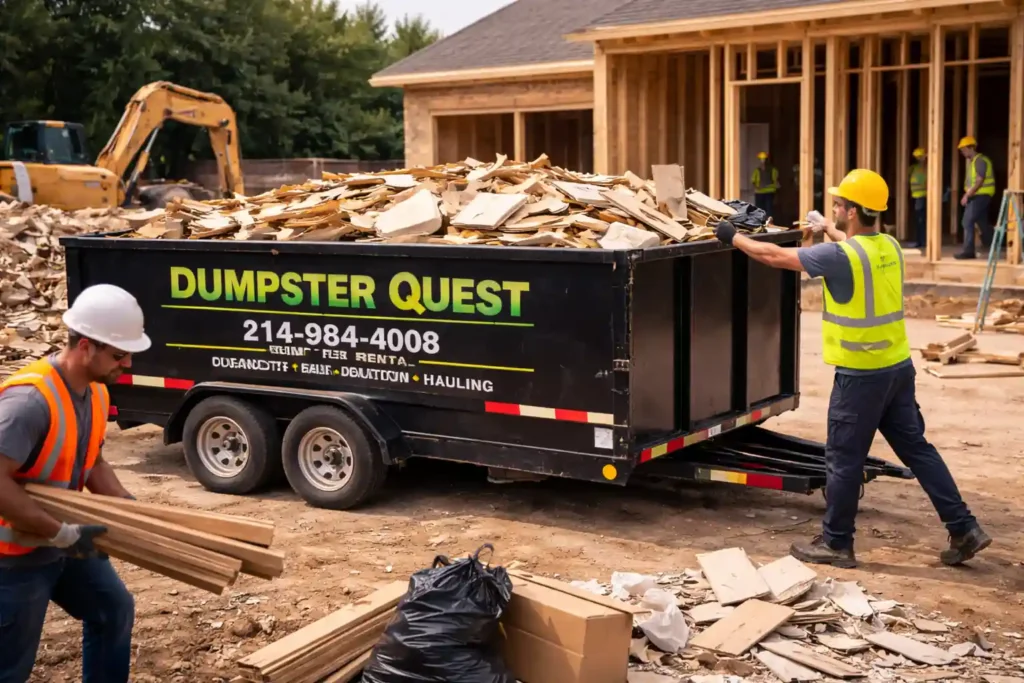
Construction projects produce waste at every stage, from demolition to finishing. A roll-off dumpster provides a centralized waste management solution, helping to keep the jobsite clean and efficient. Without proper waste management, debris can quickly accumulate, creating safety hazards and slowing progress. A construction dumpster rental helps contractors, property managers, and homeowners keep the jobsite waste management organized and safe, allowing for a more efficient workflow.
Instead of making frequent trips to the landfill or dealing with scattered debris, a roll-off dumpster provides a centralized solution that keeps waste in one place, reducing distractions and improving productivity. For projects in North Dallas, providers like Dumpster Quest offer dependable service, flexible scheduling, and tailored waste management to ensure your project stays on track and organized.
What Is Construction Dumpster Rental
Construction dumpster rental is a service that delivers heavy-duty roll off containers designed to handle construction and demolition debris.
These construction dumpsters are placed directly on-site to collect materials such as wood, drywall, roofing, and general debris throughout your project. Once filled or no longer needed, the dumpster is hauled away and the contents are disposed of properly.
This service is essential for:
- New construction projects
- Residential and commercial renovations
- Demolition and tear-down work
- Roofing, flooring, and structural upgrades
Unlike regular waste services, construction dumpsters are built to handle both high volume and heavy materials.
Why Construction Dumpster Rental Matters
Efficient waste management is a key factor in project success. It affects safety, productivity, compliance, and overall cost.
Without proper waste handling:
- Debris accumulates quickly
- Work areas become unsafe
- Productivity decreases
- Cleanup becomes time-consuming
With a construction dumpster:
- Waste is centralised and controlled
- Crews work more efficiently
- The jobsite remains safe and organised
- Disposal is handled professionally
In addition, proper waste management helps meet local disposal regulations and environmental standards, which is critical for contractors and commercial projects.
Types of Construction Dumpster Rentals
Small Construction Dumpsters
These are typically 10 to 20 yard dumpsters and are best suited for smaller projects such as:
- Bathroom remodels
- Minor renovations
- Small demolition work
They are ideal for residential job sites where space may be limited.
Medium Construction Dumpsters
Usually ranging from 20 to 30 yards, these dumpsters are perfect for:
- Kitchen renovations
- Roofing projects
- Multi-room upgrades
They offer a balance between capacity and space efficiency.
Large Construction Dumpsters
These 30 to 40 yard dumpsters are designed for:
- Large-scale construction
- Major demolitions
- Commercial job sites
They handle high volumes of debris and reduce the need for frequent hauling.
Construction Dumpster Size Comparison Table
| Dumpster Size | Best For | Typical Projects | Capacity (Pickup Loads) | Key Advantage |
| 10 Yard | Small jobs, heavy materials | Bathroom remodels, small demolition, concrete or dirt removal | 3 loads | Easy placement, great for tight spaces |
| 20 Yard | Medium residential projects | Kitchen renovations, roofing jobs, garage cleanouts | 6 loads | Most popular, balanced size and cost |
| 30 Yard | Large home projects | Full home cleanouts, multi-room renovations, additions | 9 loads | Handles bulky and high-volume debris |
| 40 Yard | Large-scale construction | Commercial projects, major demolition, new builds | 12+ loads | Maximum capacity, fewer hauls needed |
Types of Construction Debris You Can Dispose Of
Common Accepted Materials
- Wood and lumber
- Drywall and plaster
- Roofing shingles
- Flooring materials
- Concrete and brick (depending on provider)
- General construction debris
Restricted or Special Handling Materials
- Hazardous chemicals
- Paint and solvents
- Batteries and electronics
- Asbestos and medical waste
Always confirm with your provider before disposing of specific materials. Providers like Dumpster Quest offer guidance to ensure compliance.
Benefits of Construction Dumpster Rental
Improved Jobsite Safety
Debris left on the ground increases the risk of trips, falls, and injuries. A dumpster keeps materials contained and reduces hazards.
Increased Efficiency and Workflow
Workers spend less time handling waste and more time completing tasks, improving overall productivity.
Cost Control and Budget Management
Having a single disposal solution reduces transportation costs and labour time associated with multiple trips.
Professional Appearance
A clean jobsite creates a better impression for clients, inspectors, and stakeholders.
Environmental Responsibility
Proper disposal ensures materials are handled according to environmental regulations, reducing landfill impact.
How to Choose Construction Dumpster Rental Effectively
Evaluate Project Scope
The size, complexity, and duration of your project play a major role in determining the type of dumpster you need. Small renovations may only require a compact container, while large construction or demolition projects will need higher capacity dumpsters and possibly multiple hauls. Understanding your project timeline also helps you choose the right rental period and avoid delays.
Estimate Debris Volume
Try to estimate how much waste your project will generate by thinking in terms of cubic yards or pickup truck loads. Most homeowners and contractors underestimate debris volume, which can lead to overfilled dumpsters or additional rentals. When in doubt, it is often better to choose a slightly larger dumpster to ensure you have enough space.
Consider Material Weight
Different materials have different weights, which can significantly affect your dumpster choice. Heavy debris such as concrete, brick, dirt, and roofing shingles can reach weight limits quickly even if the dumpster is not full. Separating heavy materials or choosing a smaller dumpster specifically for dense debris can help avoid additional fees.
Plan Placement and Access
The location of your dumpster is just as important as the size. It should be placed in a convenient, accessible area that allows workers to dispose of materials easily without disrupting workflow. Make sure there is enough space for delivery trucks and that the placement does not block entrances, equipment, or traffic flow on the jobsite.
Schedule Pickup Strategically
For larger or ongoing projects, timing your pickups is key to maintaining efficiency. Instead of waiting until the dumpster is completely full, consider scheduling multiple hauls to keep the jobsite clean and organised. This is especially important for projects with continuous debris output, where delays in removal can slow down progress.
Working with experienced providers like Dumpster Quest ensures accurate recommendations and smooth coordination.
Understanding Construction Dumpster Costs
Average Pricing Overview
Construction dumpster rental costs can vary depending on the size of the project, type of materials, and how long the dumpster is needed. Most projects fall within these general ranges:
- Small projects: $300 to $500
- Medium projects: $400 to $700
- Large projects: $600 to $900+
Smaller projects such as bathroom remodels or minor demolition work typically require less capacity and shorter rental periods, making them more affordable. Medium projects like roofing or multi-room renovations require larger containers and may involve heavier debris, increasing costs. Large-scale construction or demolition jobs often need the biggest dumpsters and longer rental durations, which leads to higher overall pricing.
What Affects Pricing
Several key factors determine the total cost of a construction dumpster rental. Understanding these helps you plan more accurately and avoid unexpected charges:
- Dumpster size: Larger dumpsters cost more but can be more cost-efficient for bigger projects
- Weight limits: Each rental includes a weight allowance, and exceeding it may result in additional fees
- Type of debris: Heavy materials like concrete, brick, or roofing shingles increase disposal costs
- Rental duration: Standard rentals usually include 7 to 14 days, with additional fees for extended use
- Location and accessibility: Delivery distance, site access, and placement difficulty can influence pricing
By considering these factors in advance, you can choose the right dumpster and avoid unnecessary expenses.
Additional Cost Considerations
Beyond the base price, there are a few extra cost elements that many contractors and homeowners overlook:
- Overage fees: Charged when weight limits are exceeded
- Extension fees: Applied when keeping the dumpster beyond the agreed rental period
- Special disposal fees: Required for certain materials that need separate handling
- Permit costs: May apply if the dumpster is placed on a public street
Planning for these possibilities helps you maintain full control over your budget.
Real Construction Project Examples
Understanding real-world scenarios can help you estimate the right dumpster size and cost for your project:
- Bathroom remodel: 10 to 20 yard dumpster, ideal for removing fixtures, drywall, and small debris
- Roofing replacement: 20 yard dumpster, suitable for heavy shingles and roofing materials
- Full home renovation: 30 yard dumpster, handles large volumes of mixed construction debris
- Commercial demolition: 40 yard dumpster, designed for high-volume and heavy-duty waste
These examples highlight how project size, material type, and workload directly influence both dumpster size and overall cost. Choosing the correct size from the start helps prevent delays, additional hauls, and unnecessary expenses.
Best Dumpster Size by Project Type
| Project Type | Recommended Dumpster Size | Why It Works |
| Bathroom Remodel | 10–20 Yard | Limited space and moderate debris |
| Kitchen Renovation | 20 Yard | Mix of bulky and medium-weight materials |
| Roofing Project | 20 Yard | Handles heavy shingles efficiently |
| Full Home Cleanout | 30 Yard | Large volume of mixed household debris |
| Demolition Project | 30–40 Yard | High volume and heavy materials |
| Commercial Construction | 40 Yard | Continuous debris and large-scale waste |
Cost Saving Tips for Construction Dumpster Rental
If you want to maximise value and reduce costs, consider these practical strategies:
- Choose the right size the first time to avoid needing a second dumpster
- Avoid mixing heavy materials with general debris to stay within weight limits
- Plan your project timeline carefully to avoid extension fees
- Load the dumpster efficiently to maximise space
- Work with experienced providers who offer transparent pricing
By applying these tips, you can make your construction dumpster rental more efficient, predictable, and cost-effective.
Expert Insight from Dumpster Quest
Based on real jobsite experience, Dumpster Quest has observed that poor waste planning is one of the leading causes of project delays.
Common issues include:
- Underestimating debris volume
- Selecting smaller dumpsters to reduce upfront cost
- Overloading containers
Their recommendations:
- Choose one size larger when uncertain
- Plan for continuous waste removal
- Communicate project timelines clearly
These practices help ensure efficiency, safety, and cost control.
Common Mistakes to Avoid
- Choosing a dumpster that is too small
- Overloading beyond capacity or weight limits
- Blocking access to the dumpster
- Mixing prohibited materials
- Failing to plan for multiple disposal phases
Avoiding these mistakes improves workflow and prevents additional costs.
Construction Dumpster Rental for Long Term Project Success and Efficiency
Understanding how construction dumpster rental for contractors works allows you to manage waste effectively throughout your project. With proper planning, the right dumpster size, and a reliable provider, waste management becomes a seamless part of your workflow rather than a challenge.
For North Dallas contractors and homeowners, working with providers like Dumpster Quest ensures dependable service, expert guidance, and consistent results.
Book a Construction Dumpster Rental in North Dallas
Need a reliable dumpster for your construction project? Work with Dumpster Quest for fast delivery, flexible rental options, and dependable service across North Dallas.
Visit the Dumpster Quest homepage or request a quote through the contact page to get started today.
Frequently Asked Questions
1. What Can You Put in a Construction Dumpster?
You can dispose of wood, drywall, roofing materials, flooring, and general construction debris disposal. Hazardous materials such as chemicals and paint are not allowed and require specialised disposal.
2. What Size Construction Dumpster Do I Need?
The size depends on your project scope. Small projects may need 10 to 20 yard dumpsters, while larger renovations or demolition projects often require 30 to 40 yard containers.
3. What Factors Affect the Cost of a Construction Dumpster Rental?
Costs are influenced by size, weight limits, debris type, rental duration, and location. Heavier materials and longer rentals increase pricing.
4. What Are Construction Dumpster Weight Limits?
Each dumpster includes a weight allowance based on size. Exceeding limits can result in additional fees, especially with dense materials like concrete.
5. What Are the Rules for Using a Construction Dumpster?
Do not overfill, avoid prohibited materials, and keep debris below the fill line. Proper placement and safe loading ensure smooth pickup.
6. Do You Need a Permit for a Construction Dumpster?
You may need a permit if the dumpster is placed on a public street or sidewalk. If it is placed on private property like a driveway, permits are usually not required. Local regulations vary, so it is best to check with your city or ask your dumpster provider for guidance.
7. How Long Can You Keep a Construction Dumpster?
Most construction dumpster rentals include a standard period of 7 to 14 days. If your project takes longer, you can usually extend the rental for an additional daily or weekly fee. Planning your timeline helps avoid unnecessary extension costs and scheduling issues.
Key Takeaways
- Construction dumpster rental improves safety and efficiency
- Choosing the right size prevents delays and extra costs
- Weight limits and debris type impact pricing
- Proper planning keeps projects organised
- Reliable providers ensure smooth execution