Construction managers, contractors, and homeowners often face confusion about what can be disposed of in a construction dumpster. While common construction debris like wood, drywall, and roofing materials are acceptable, hazardous materials and chemicals require special disposal. This guide will clarify what you can and cannot put in a construction dumpster to ensure compliance and avoid extra costs.
What Can You Put in a Construction Dumpster for Safe and Efficient Jobsite Cleanup
Every construction project generates waste, but not all materials can be handled the same way, which is why knowing what can you put in a construction dumpster is essential. Understanding dumpster rental for construction projects helps ensure that only acceptable materials are disposed of, keeping the jobsite clean and compliant. Proper construction debris disposal ensures you avoid delays, extra fees, and rejected loads, keeping your project on schedule It also ensures your project stays on schedule without unexpected disposal issues.
For contractors and homeowners in North Dallas, working with providers like Dumpster Quest ensures clear guidance on accepted materials and proper disposal practices..
Why Knowing What You Can Put in a Construction Dumpster Matters
Knowing what is allowed is critical for maintaining efficiency and avoiding complications.
If restricted items are included:
- The dumpster may not be picked up
- Additional fees may be charged
- The load may be rejected at disposal facilities
If guidelines are followed:
- Cleanup is faster and more efficient
- Costs remain predictable
- Projects stay on schedule
Ensure proper disposal by following local regulations and environmental standards.
What You Can Put in a Construction Dumpster
General Construction Debris
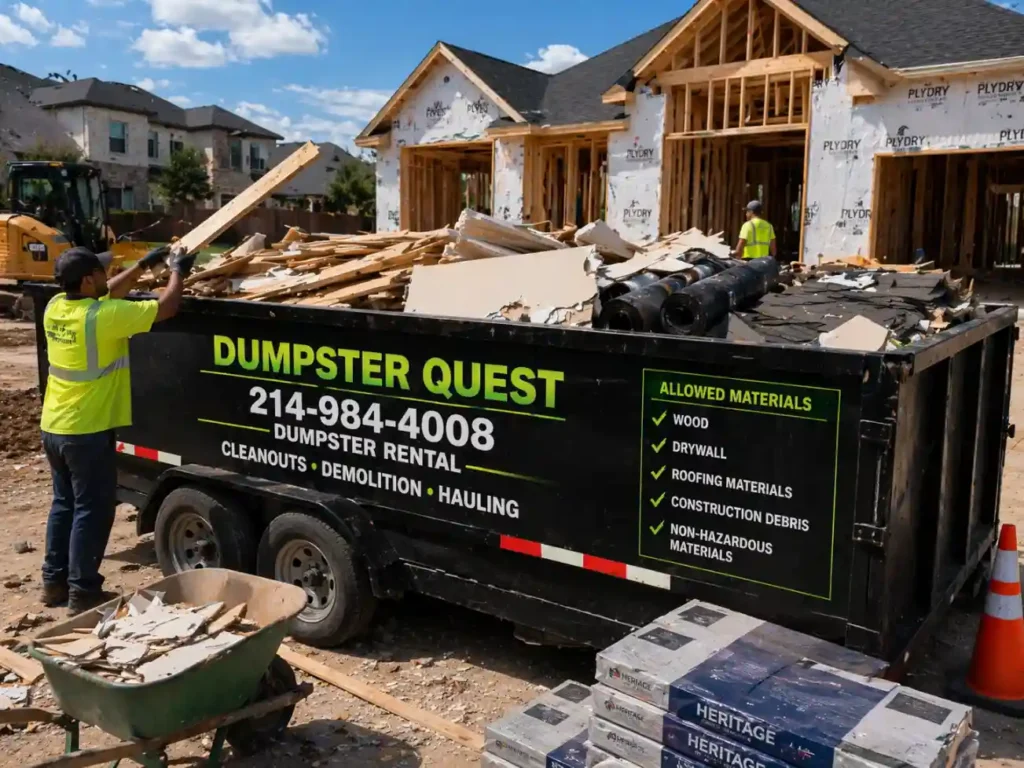
Most construction dumpsters are designed to handle common materials generated on job sites, including:
- Wood and lumber
- Drywall and plaster
- Insulation materials
- Packaging and general jobsite waste
These materials make up the majority of construction debris and are widely accepted.
Renovation and Demolition Materials
You can typically dispose of:
- Cabinets and fixtures
- Flooring such as tile, laminate, and carpet
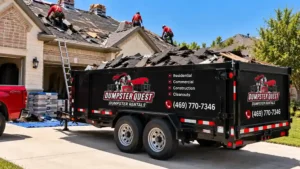
- Roofing shingles and underlayment
- Doors, windows, and frames
These items are common in both residential and commercial renovation projects.
Heavy Materials in Limited Quantities
Certain heavy materials like concrete, brick, dirt, and asphalt may be accepted, but be sure to confirm the restricted items for dumpster disposal with your provider
- Concrete and brick
- Dirt and soil
- Asphalt
Because of their weight, these materials may require specific dumpster types or size restrictions.
Bulky Items and Large Debris
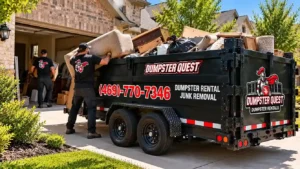
Construction dumpsters can also handle large items such as:
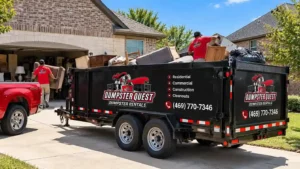
- Furniture from renovation projects
- Large structural components
- Scrap materials from demolition
This makes them ideal for clearing out large volumes of debris quickly.
What Cannot Go in a Construction Dumpster
Hazardous Materials
These are strictly prohibited:
- Chemicals and industrial waste
- Paints and solvents
- Oils and fuels
Electronics and Batteries
Items like TVs, computers, and batteries require specialised recycling and cannot be placed in a standard dumpster.
Tires and Automotive Waste
Tires and certain vehicle parts are restricted due to disposal regulations.
Asbestos and Medical Waste
These materials require certified handling and must never be placed in a construction dumpster.
Construction Dumpster Materials Table
| Category | Allowed Materials | Notes |
| Construction Debris | Wood, drywall, insulation | Most common materials |
| Renovation Waste | Cabinets, flooring, fixtures | Accepted in most dumpsters |
| Roofing Materials | Shingles, underlayment | May be heavy |
| Heavy Debris | Concrete, brick | Limited quantities |
| Prohibited Items | Chemicals, paint, batteries | Special disposal required |
This table helps you quickly identify what can and cannot be placed in your dumpster.
How to Use What Can You Put in a Construction Dumpster Effectively
Sort Materials Before Loading
Separating materials ensures compliance and avoids additional fees.
Load Strategically
Place heavy items at the bottom and lighter debris on top to maximise space.
Avoid Overfilling
Keep debris below the fill line to ensure safe transport.
Confirm Allowed Items
When in doubt, check with your provider. Working with Dumpster Quest helps ensure proper handling.
Expert Insight from Dumpster Quest
From real jobsite experience, Dumpster Quest has found that many issues arise from incorrect assumptions about what is allowed.
Common problems include:
- Mixing hazardous materials with general debris
- Overloading dumpsters with heavy items
- Failing to confirm restrictions
Their advice:
- Always review allowed materials before loading
- Plan for separate disposal of restricted items
- Ask questions early to avoid delays
This approach helps maintain efficiency and prevents unexpected costs.
Common Mistakes to Avoid
- Throwing prohibited materials into the dumpster
- Mixing heavy and light debris inefficiently
- Overfilling beyond the limit
- Ignoring local disposal regulations
- All materials are permitted in dumpsters.
Avoiding these mistakes ensures a smoother process.
What Can You Put in a Construction Dumpster for Better Waste Management and Compliance
Understanding what can you put in a construction dumpster allows you to manage waste efficiently while staying compliant with regulations. With proper planning, you can reduce environmental impact, avoid additional fees, and keep your project running smoothly.
For North Dallas projects, working with providers like Dumpster Quest ensures reliable service and expert guidance.
Get Help with Construction Dumpster Use in North Dallas
Need help understanding what materials you can dispose of? Work with Dumpster Quest for expert guidance, fast delivery, and dependable dumpster rental services.
Visit the Dumpster Quest homepage or request a quote through the contact page to get started today.
Frequently Asked Questions
1. What Size Construction Dumpster Do I Need?
The right size depends on your project scope and debris volume. Small projects may need 10 to 20 yard dumpsters, while larger renovations or demolition projects often require 30 to 40 yard containers for efficient waste handling.
2. What Factors Affect the Cost of a Construction Dumpster Rental?
Costs are influenced by size, weight limits, debris type, rental duration, and location. Heavier materials and longer rental periods can increase pricing.
3. What Are Construction Dumpster Weight Limits?
Each dumpster includes a weight allowance based on size. Exceeding this limit may result in additional charges, especially with heavy materials like concrete or roofing.
4. What Are the Rules for Using a Construction Dumpster?
Do not overfill the dumpster, keep debris below the fill line, and avoid prohibited materials. Proper placement and safe loading ensure smooth pickup and compliance.
5. Can You Throw Everything in a Construction Dumpster?
No, not all materials are allowed. Hazardous items, chemicals, electronics, and restricted materials must be disposed of separately according to regulations.
6. Do You Need a Permit for a Construction Dumpster?
Permits may be required if the dumpster is placed on public property. Private property placements usually do not require permits.
7. How Long Can You Keep a Construction Dumpster?
Most rentals last 7 to 14 days, with extensions available for an additional fee if needed.
Key Takeaways
- Most construction debris is allowed in dumpsters
- Do not place hazardous or restricted materials in dumpsters
- Proper sorting prevents delays and extra costs
- Weight limits and material types matter
- Following guidelines ensures smooth disposal