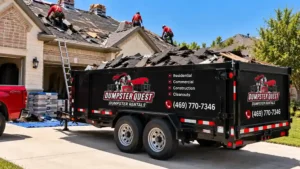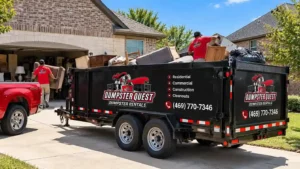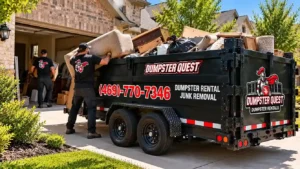
Construction dumpster rules ensure safe loading, proper disposal, and compliance with local regulations. Following these rules helps prevent extra fees, avoid delays, and maintain a clean, efficient jobsite throughout your project.
What Are the Rules for Using a Construction Dumpster for Safe and Compliant Job Sites
Construction dumpsters make debris removal simple, but using them incorrectly can lead to costly mistakes, safety issues, and project delays. Understanding what are the rules for using a construction dumpster ensures your jobsite remains organized, compliant, and efficient. Whether you are handling a renovation, demolition, or new construction project, following proper guidelines is essential. For contractors and homeowners in North Dallas, working with providers like Dumpster Quest helps ensure you follow all necessary rules and avoid unexpected issues.
What Are the Rules for Using a Construction Dumpster
Construction dumpster rules refer to the guidelines that govern how dumpsters should be used, loaded, and placed on a jobsite.
These rules are designed to:
- Ensure safe transportation
- Prevent environmental hazards
- Maintain compliance with local regulations
- Avoid additional fees or penalties
They apply to everything from what materials you can dispose of to how high you can load the dumpster.
Why Are Rules for Using a Construction Dumpster Matters
Ignoring dumpster rules can create serious problems for your project.
If rules are not followed:
- Pickups may be delayed or refused
- Additional fees may be charged
- Safety risks may increase
- Compliance issues may arise
When rules are followed:
- Projects run smoothly
- Costs remain predictable
- Jobsite safety improves
Understanding these guidelines helps you avoid unnecessary complications.
Key Rules for Using a Construction Dumpster
Follow Fill Line Limits
Every dumpster has a designated fill line. Debris must not exceed this level.
Overfilling can:
- Prevent safe transportation
- Result in additional fees
- Delay pickup
Keeping materials below the fill line ensures compliance and safety.
Do Not Overload by Weight
Even if the dumpster is not full, exceeding weight limits can cause issues.
Heavy materials such as:
- Concrete
- Brick
- Roofing shingles
Can quickly exceed limits and result in overage fees. Be mindful of weight limits to avoid issues with dumpster rental permits.
Only Dispose of Allowed Materials
Not all materials can go into a construction dumpster.
Allowed materials:
- Wood, drywall, and general debris
Restricted materials:
- Chemicals, paint, batteries, hazardous waste
Understanding material restrictions is essential for compliance with dumpster rental permits and construction dumpster rental rules and regulations.
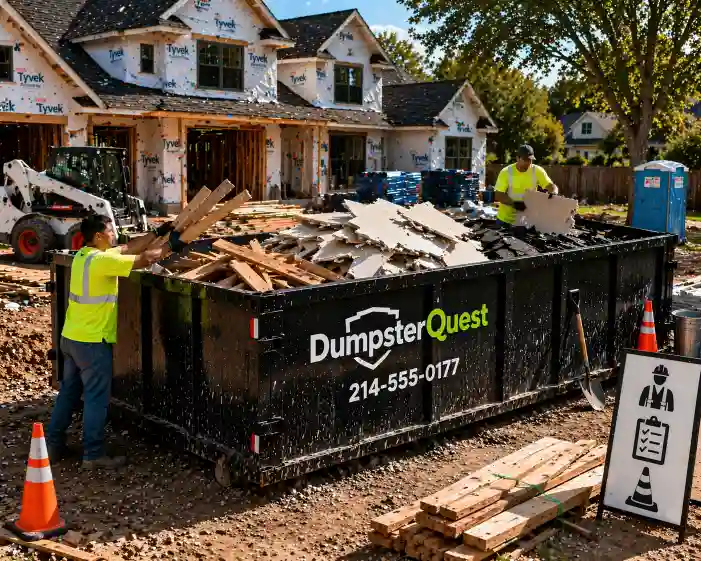
Load Materials Safely and Evenly
Proper loading ensures safe transport and maximises space.
Best practices include:
- Placing heavy materials at the bottom
- Distributing weight evenly
- Avoiding uneven stacking
This prevents shifting during transport and reduces risk.
Ensure Proper Placement
The dumpster should be placed in a safe and accessible location.
Consider:
- Clear access for delivery trucks
- Avoiding blocked entrances
- Stable ground placement
Proper placement improves efficiency and safety.
Construction Dumpster Rules Table
| Rule | What It Means | Why It Matters |
| Fill Line Limit | Do not exceed top edge | Ensures safe transport |
| Weight Limits | Stay within allowance | Avoids extra fees |
| Allowed Materials | No hazardous waste | Prevents violations |
| Safe Loading | Even distribution | Reduces risk |
| Proper Placement | Accessible location | Ensures smooth pickup |
This table provides a quick reference for following proper dumpster rules.
How to Apply Construction Dumpster Rules Effectively
Plan Before Loading
Review allowed materials and weight limits before starting your project.
Separate Materials
Keep hazardous or restricted items separate to avoid violations.
Monitor Fill Levels
Check the dumpster regularly to ensure it does not exceed limits.
Communicate with Your Provider
Working with providers like Dumpster Quest ensures you understand all requirements.
Schedule Timely Pickup
Avoid overflow by planning pickup before the dumpster becomes overloaded.
Permit and Regulation Considerations
When Permits Are Required
You may need a permit if the dumpster is placed on:
- Public streets
- Sidewalks
- Shared spaces
When Permits Are Not Required
No permit is usually needed for:
- Private driveways
- Construction sites on private property
Always check local regulations before placing your dumpster. For detailed guidelines, visit Dumpster Quest’s Dumpster Rental Services.
Expert Insight from Dumpster Quest
From real jobsite experience, Dumpster Quest has found that most issues arise from simple rule violations.
Common problems include:
- Overfilling dumpsters
- Mixing restricted materials
- Ignoring weight limits
Their advice:
- Follow all guidelines carefully
- Ask questions before loading
- Plan your waste management strategy
This helps prevent delays and additional costs.
Common Mistakes to Avoid
- Overfilling beyond the fill line
- Ignoring weight limits
- Disposing of prohibited materials
- Poor dumpster placement
- Uneven or unsafe loading
Avoiding these mistakes ensures a smooth and efficient process.
Safe and Efficient Rules for Using a COnstruction Dumpster
Understanding what are the rules for using a construction dumpster helps you maintain a safe, compliant, and efficient jobsite. By following these guidelines, you can avoid extra fees, reduce risks, and keep your project running smoothly from start to finish. For North Dallas projects, working with providers like Dumpster Quest ensures reliable service and expert guidance.
Get Help with Construction Dumpster Rules in North Dallas
Need help understanding dumpster rules and regulations? Work with Dumpster Quest for expert guidance, fast delivery, and dependable service.For more information on what can and cannot be disposed of, check out the Acceptable Disposal Items
Visit the Dumpster Quest homepage or request a quote through the contact page to get started today.
Frequently Asked Questions
1. What Can You Put in a Construction Dumpster?
You can dispose of wood, drywall, roofing materials, and general debris. Hazardous materials such as chemicals and paint are not allowed.
2. What Size Construction Dumpster Do I Need?
The size depends on your project scope. Smaller jobs use 10 to 20 yard dumpsters, while larger projects require 30 to 40 yard containers.
3. What Factors Affect the Cost of a Construction Dumpster Rental?
Costs depend on size, weight limits, debris type, rental duration, and location.
4. What Are Construction Dumpster Weight Limits?
Each dumpster includes a weight allowance. Exceeding it results in additional fees.
5. Can You Overfill a Construction Dumpster?
No, overfilling is not allowed and may result in extra fees or delayed pickup.
6. Do You Need a Permit for a Construction Dumpster?
Permits may be required for public placement but not usually for private property.
7. How Do You Avoid Extra Dumpster Fees?
Follow rules, stay within limits, and plan your waste management carefully.
Key Takeaways
- Follow fill line and weight limits
- Only dispose of allowed materials
- Proper loading improves safety
- Placement affects efficiency
- Following rules prevents extra costs