Construction dumpster weight limits refer to the maximum amount of debris a dumpster can safely carry. These limits vary by size and material type, and exceeding them can result in additional fees. Understanding weight limits helps you manage costs, load efficiently, and avoid delays.
What Are Construction Dumpster Weight Limits for Safe and Cost Efficient Projects?
When planning a construction project, most people focus on dumpster size but overlook weight limits, however, weight is one of the biggest factors affecting cost and usability. Understanding what are construction dumpster weight limits ensures your project stays efficient and avoids unexpected charges. Overloading a dumpster can lead to delays, safety risks, and additional fees that quickly increase your budget. For contractors and homeowners in North Dallas, working with providers like Dumpster Quest helps ensure clear guidelines and proper waste management.
Why Construction Dumpster Weight Limits Matters
Ignoring weight limits can lead to significant issues.
If weight limits are exceeded:
- Extra charges are added
- Dumpsters may not be transported immediately
- Project timelines may be affected
If managed correctly:
- Costs remain predictable
- Waste is handled efficiently
- Projects stay on schedule
Weight limits are just as important as size when planning your dumpster rental.
Construction Dumpster Weight Limits by Size
10 Yard Dumpster
- Typical limit: 1 to 3 tons
- Best for heavy materials in small quantities such as concrete or dirt
- Ideal for compact projects
20 Yard Dumpster
- Typical limit: 2 to 4 tons
- Suitable for roofing, renovations, and mixed debris
- One of the most commonly used sizes
30 Yard Dumpster
- Typical limit: 3 to 5 tons
- Designed for large residential projects and moderate commercial use
40 Yard Dumpster
- Typical limit: 4 to 6 tons
- Used for large-scale construction and demolition projects
Construction Dumpster Weight Limit Table
| Dumpster Size | Typical Weight Limit | Best For | Key Consideration |
| 10 Yard | 1–3 tons | Heavy small jobs | Fills quickly with dense materials |
| 20 Yard | 2–4 tons | Roofing, renovations | Balanced capacity |
| 30 Yard | 3–5 tons | Large projects | Handles bulk debris |
| 40 Yard | 4–6 tons | Demolition, commercial | High volume capacity |
This table helps you match dumpster size with both volume and weight requirements.
What Affects Construction Dumpster Weight
Type of Materials
Different materials have different densities:
- Light materials: wood, drywall
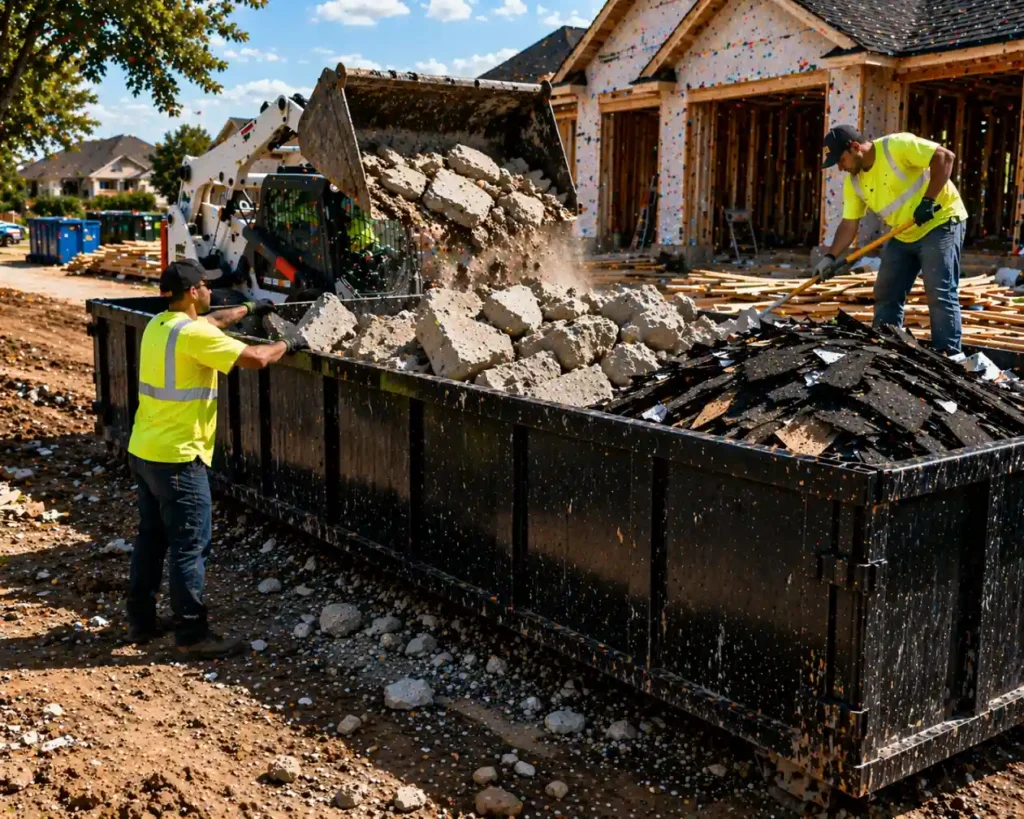
- Heavy materials: concrete, brick, asphalt
Heavy materials reach weight limits faster.
Moisture and Weather Conditions
Rain can increase the weight of materials like wood, drywall, and debris, leading to unexpected overages.
Mixed Loads
Combining heavy and light materials can make it harder to estimate total weight and may increase costs.
Loading Practices
Uneven loading or overpacking can cause weight distribution issues and exceed limits.
How to Manage Construction Dumpster Weight Limits Effectively
Separate Heavy Materials
Keep materials like concrete or dirt separate from general debris to control weight.
Load Strategically
Place heavier items at the bottom and distribute weight evenly.
Avoid Overfilling
Stay below both weight limits and fill lines to ensure safe transport.
Plan for Multiple Hauls
For large projects, schedule additional pickups instead of overloading one dumpster.
Work with Experts
Providers like Dumpster Quest help guide proper loading and weight management.
Overage Fees Explained
When weight limits are exceeded, additional fees are applied per ton. These fees vary by provider and location but can significantly increase your total cost.
For example:
- Exceeding by 1 ton may add $50 to $150
- Larger overages can increase costs quickly
Understanding overage fees helps you plan more accurately.
Real Project Examples
- Concrete removal: small dumpster fills quickly due to weight
- Roofing project: moderate weight but consistent debris
- Home renovation: mixed materials require careful planning
- Demolition: high volume and heavy debris require larger dumpsters
These examples highlight how weight impacts dumpster selection.
Expert Insight from Dumpster Quest
From real-world experience, Dumpster Quest has found that weight is often underestimated.
Common issues include:
- Overloading with heavy materials
- Mixing debris types
- Ignoring weight allowances
Their advice:
- Plan based on both volume and weight
- Choose the right size
- Ask for guidance when unsure
This helps prevent unexpected costs and delays.
Common Mistakes to Avoid
- Ignoring weight limits
- Overloading dumpsters
- Mixing heavy materials with general debris
- Not accounting for weather conditions
- Choosing the wrong dumpster size
Avoiding these mistakes ensures smoother operations.
What Are Construction Dumpster Weight Limits for Better Cost Control and Efficiency
Understanding what are construction dumpster weight limits allows you to manage waste more effectively and control project costs. Proper planning ensures your dumpster is used efficiently without exceeding limits, helping your project stay on track and within budget. For North Dallas projects, working with Dumpster Quest ensures reliable service and expert guidance.
Get Help Managing Dumpster Weight Limits in North Dallas
Need help choosing the right dumpster and managing weight limits? Work with Dumpster Quest for expert recommendations, transparent pricing, and dependable service.
Visit the Dumpster Quest homepage or request a quote through the contact page to get started today.
Frequently Asked Questions
1. What Can You Put in a Construction Dumpster?
You can dispose of wood, drywall, roofing materials, flooring, and general debris. Hazardous materials are not allowed.
2. What Size Construction Dumpster Do I Need?
The size depends on your project scope. Smaller jobs use 10 to 20 yard dumpsters, while larger projects require 30 to 40 yard containers.
3. What Factors Affect the Cost of a Construction Dumpster Rental?
Costs depend on size, weight limits, debris type, rental duration, and location.
4. What Are the Rules for Using a Construction Dumpster?
Do not overfill, avoid restricted materials, and follow placement guidelines.
5. Can You Exceed Dumpster Weight Limits?
Yes, but it results in additional fees per ton and may delay pickup.
6. Do Heavy Materials Require Special Dumpsters?
Yes, materials like concrete often require specific dumpsters or size limits.
7. How Can You Avoid Overage Fees?
By estimating weight accurately, separating materials, and choosing the right dumpster size.
Key Takeaways
- Weight limits are critical for cost control
- Heavy materials reach limits quickly
- Overage fees can increase costs significantly
- Proper loading prevents issues
- Planning ensures efficient waste management