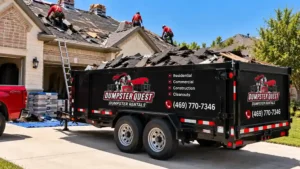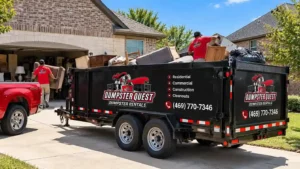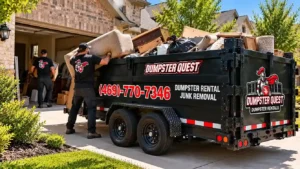
The cost of a construction dumpster rental depends on several key factors including dumpster size, weight limits, debris type, rental duration, and location. Understanding these variables helps you plan your budget accurately and avoid unexpected fees.
What Factors Affect the Cost of a Construction Dumpster Rental for Accurate Budget Planning
When planning a construction project, one of the most common questions is how much waste removal will cost. However, pricing is not fixed and can vary depending on multiple factors. Understanding what factors affect the cost of a construction dumpster rental allows you to make informed decisions, avoid hidden fees, and choose the most cost-effective option for your project.
For contractors and homeowners in North Dallas, working with providers like Dumpster Quest ensures transparent pricing and expert guidance tailored to your specific project needs.
Why Knowing What Factors Affect the Cost of a Construction Dumpster Rental Matters
Without understanding pricing factors, it is easy to underestimate costs and exceed your budget.
If these factors are ignored:
- Unexpected fees may occur
- Projects may experience delays
- Budget planning becomes inaccurate
If these factors are understood:
- Costs remain predictable
- The right dumpster size is selected
- Efficiency improves
This knowledge allows you to plan smarter and reduce unnecessary expenses.
Key Factors That Affect Construction Dumpster Rental Costs
Dumpster Size
The size of the dumpster is one of the biggest cost drivers. Larger dumpsters cost more upfront but can be more cost-effective for bigger projects.
Typical pricing increases as size increases:
- 10 yard dumpsters for small jobs
- 20 yard dumpsters for mid-sized projects
- 30 to 40 yard dumpsters for large construction
Choosing the right size prevents overpaying or needing additional rentals.
Weight Limits
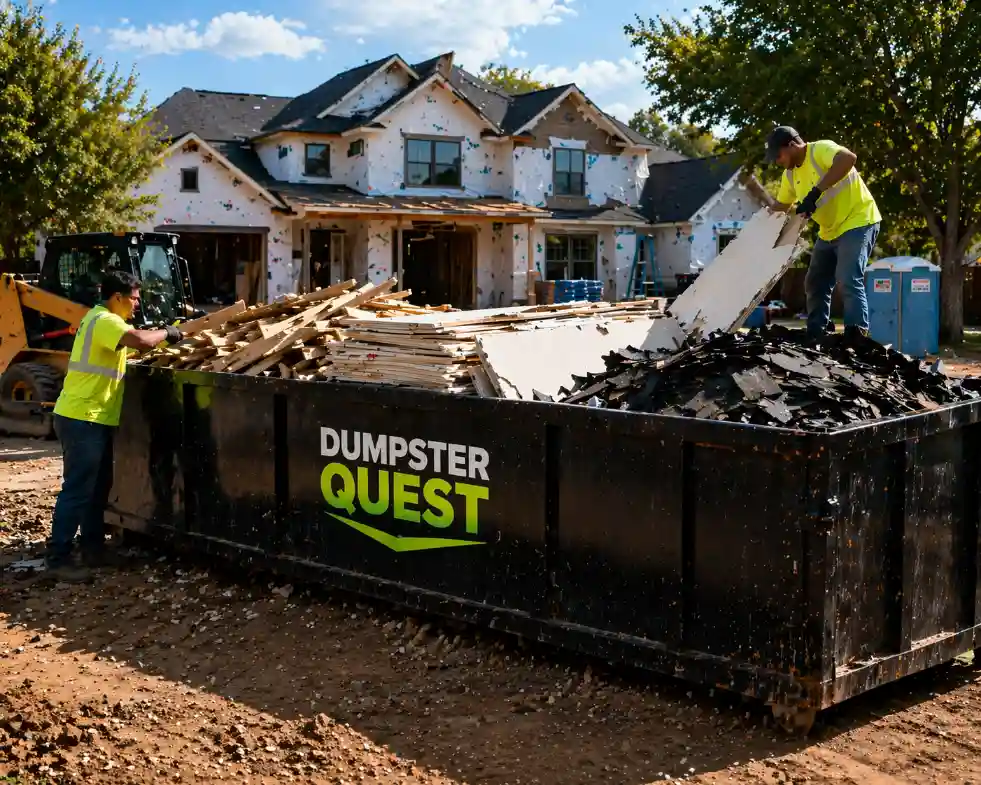
Each dumpster includes a weight allowance. Heavy materials such as concrete, brick, and roofing shingles can quickly exceed these limits.
If weight limits are exceeded:
- Additional fees are charged per ton
- Costs increase significantly
Understanding weight limits is essential for accurate budgeting.
Type of Debris
Different materials have different disposal costs.
Examples:
- Light debris like wood and drywall costs less
- Heavy debris like concrete and asphalt costs more
- Mixed loads may increase sorting and disposal fees
Sorting materials properly can help reduce costs.
Rental Duration
Most rentals include a standard period of 7 to 14 days. Keeping the dumpster longer than the agreed timeframe may result in additional daily or weekly charges.
Longer projects should plan for:
- Extended rental periods
- Scheduled pickups and replacements
Proper timing helps avoid unnecessary fees.
Location and Accessibility
Where your project is located can impact pricing.
Factors include:
- Distance from disposal facilities
- Delivery logistics
- Accessibility of the jobsite
Difficult access or longer travel distances may increase costs.
Disposal and Landfill Fees
Disposal costs vary depending on local landfill rates and regulations. Some materials require special processing, which can increase overall pricing.
This is why pricing may vary even between similar projects in different areas.
Construction Dumpster Cost Breakdown Table
| Cost Factor | Impact on Price | Example |
| Dumpster Size | Higher size increases cost | 40 yard costs more than 20 yard |
| Weight Limits | Exceeding adds fees | Heavy materials increase charges |
| Debris Type | Some materials cost more | Concrete vs wood |
| Rental Duration | Longer rental increases cost | Extra days add fees |
| Location | Distance affects delivery cost | Remote sites cost more |
| Disposal Fees | Varies by material | Special handling required |
This breakdown helps you understand how each factor contributes to the final cost.
How to Effectively Understand Construction Dumpster Rental Cost Factors
Plan Your Dumpster Size Carefully
Choosing the correct size from the start prevents additional rentals and extra costs.
Separate Heavy Materials
Avoid mixing heavy debris with general waste to stay within weight limits.
Estimate Timeline Accurately
Plan your rental duration carefully to avoid extension fees.
Load Efficiently
Maximise space by loading strategically to reduce the need for additional dumpsters.
Work with Experienced Providers
Working with providers like Dumpster Quest ensures transparent pricing and proper recommendations.
Real Cost Examples Based on Project Type
- Small renovation: $300 to $500
- Roofing project: $400 to $700
- Full home renovation: $600 to $900+
- Large demolition: $800 to $1200+
These ranges vary depending on the factors discussed above.
Expert Insight from Dumpster Quest
From real-world experience, Dumpster Quest has found that most unexpected costs come from underestimating debris volume and ignoring weight limits.
Common mistakes include:
- Choosing smaller dumpsters to save upfront cost
- Mixing heavy materials with general debris
- Extending rental periods unexpectedly
Their advice:
- Choose one size larger when unsure
- Plan for debris type and weight
- Confirm all pricing details upfront
This approach helps maintain control over costs and prevents surprises.
Common Mistakes to Avoid
- Underestimating debris volume
- Ignoring weight limits
- Choosing the wrong dumpster size
- Extending rental without planning
- Not confirming pricing details
Avoiding these mistakes ensures better budgeting and smoother operations.
What Factors Affect the Cost of a Construction Dumpster Rental for Better Budget Control and Efficiency
Understanding what factors affect the cost of a construction dumpster rental allows you to manage your project budget effectively. By considering size, weight, materials, and timing, you can reduce costs while maintaining efficiency and keeping your project on track. For North Dallas projects, working with Dumpster Quest ensures reliable service and clear pricing.
Get Transparent Construction Dumpster Pricing in North Dallas
Need help understanding your project costs? Work with Dumpster Quest for transparent pricing, expert recommendations, and reliable service.
Visit the Dumpster Quest homepage or request a quote through the contact page to get started today.
Frequently Asked Questions
1. What Can You Put in a Construction Dumpster?
You can dispose of wood, drywall, flooring, roofing materials, and general debris. Hazardous materials such as chemicals and paint are not allowed and require specialised disposal.
2. What Size Construction Dumpster Do I Need?
The size depends on your project scope. Small projects may need 10 to 20 yard dumpsters, while larger renovations or demolition jobs often require 30 to 40 yard containers.
3. What Are Construction Dumpster Weight Limits?
Each dumpster includes a weight allowance based on size. Exceeding this limit results in additional charges, especially with heavy materials like concrete.
4. What Are the Rules for Using a Construction Dumpster?
Do not overfill the dumpster, keep debris below the fill line, and avoid prohibited materials. Proper placement ensures safe pickup.
5. Can You Lower Construction Dumpster Rental Costs?
Yes, by choosing the right size, separating materials, planning your timeline, and avoiding overloading, you can reduce overall costs.
6. Do You Need a Permit for a Construction Dumpster?
Permits may be required for public placement but are usually not needed for private property.
7. How Long Can You Keep a Construction Dumpster?
Most rentals last 7 to 14 days, with extensions available if needed.
Key Takeaways
- Dumpster size is the biggest cost factor
- Weight limits can significantly increase pricing
- Debris type affects disposal costs
- Rental duration impacts total price
- Planning ahead helps reduce expenses