A yard debris dumpster is often needed when managing landscaping debris, but many homeowners and businesses struggle to choose the right size or type for their project. This is for anyone handling yard cleanup or landscaping work who wants to avoid overflow, extra costs, and disposal issues. You’ll learn how green waste dumpsters work and how to choose the right one for a smoother cleanup process.
A Smarter Way to Handle Yard Cleanup Projects
If you’re wondering “what is a yard waste dumpster and how does it work”, it’s a simple solution designed to make outdoor cleanup faster and more manageable. Yard projects, like tree trimming, lawn clearing, or seasonal cleanups, can quickly create piles of debris, making disposal one of the toughest parts of the job.
A yard waste dumpster is a specialized container used for collecting organic landscaping materials such as branches, leaves, grass clippings, and other natural debris. Instead of making multiple trips to dispose of waste, you can keep everything in one place and have it hauled away when you’re done.
How it works:
- The dumpster is delivered directly to your location
- You fill it with yard waste throughout your project
- The provider picks it up and handles proper disposal
This straightforward process helps homeowners, contractors, and property managers stay organized, reduce cleanup time, and handle large volumes of yard waste. For projects in North Dallas, working with a reliable provider can also ensure timely delivery and dependable service throughout your project.
The Value of Staying Organized During Outdoor Cleanup
Without a proper system in place, yard cleanup can quickly become overwhelming. Debris builds up faster than expected, the work takes longer to complete, and multiple trips to disposal sites can slow everything down.
With a yard waste bin, the process becomes much more manageable:
- All yard debris is kept in one central location
- Cleanup is faster, cleaner, and more organized
- Projects are easier to complete on schedule without delays
This approach is especially helpful for larger landscaping jobs or seasonal cleanups where waste volume increases quickly and consistency matters.
From Delivery to Disposal: How the Process Works
A yard debris bin is designed to make outdoor cleanup more organized and less time-consuming, especially for projects involving yard cleanup services. Instead of dealing with scattered debris and repeated trips to disposal sites, everything is handled in a simple, structured process.
1. Delivery to Your Property
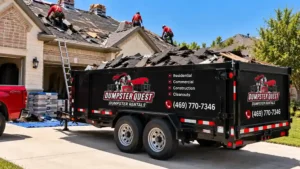
The dumpster is delivered at a scheduled time and placed in a convenient, accessible area such as a driveway or curbside. This ensures it is ready to use as soon as your yard work begins. In most cases, delivery is coordinated to match your project timeline so there’s no delay in getting started.
2. Filling the Dumpster
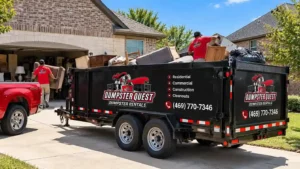
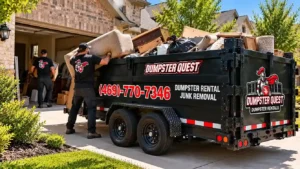
As your project progresses, you load yard debris directly into the container. Common materials include:
- Tree branches and limbs
- Leaves, grass clippings, and soil
- Shrubs, plants, and general garden waste
To make the most of the available space, it helps to break down larger branches and compress lighter materials. This reduces empty gaps and allows you to fit more debris before pickup is needed.
3. Pickup Scheduling
Once the dumpster is full or your project is complete, the provider returns to collect it based on your scheduled pickup. This removes the need for personal hauling or arranging multiple disposal trips, saving both time and effort. Some providers also offer flexible rental periods if your project takes longer than expected.
4. Proper Disposal and Processing
After pickup, the yard waste is transported to designated facilities where it is sorted for environmentally responsible processing and organic waste disposal. Depending on the material, it may be recycled, composted, or properly disposed of in compliance with local regulations. This ensures that waste is managed in a way that minimizes environmental impact while keeping your property clean.
Overall, this step-by-step process allows homeowners, contractors, and property managers to focus on the actual work instead of worrying about cleanup logistics.
Benefits of Using a Yard Debris Dumpster
- Efficient Cleanup: Eliminates the need for multiple disposal trips.
- Time Savings: Speeds up landscaping and maintenance projects.
- Improved Safety: Keeps work areas clear of debris, reducing hazards.
- Cost Control: A single rental often costs less than repeated hauling trips.
- Environmental Responsibility: Proper disposal ensures yard waste is handled sustainably.
Yard Debris Dumpster Size Guide
| Dumpster Size | Best For | Typical Project | Capacity | Advantage |
| 10 Yard | Small cleanup | Yard trimming | 3 loads | Easy placement |
| 20 Yard | Medium project | Landscaping | 6 loads | Versatile |
| 30 Yard | Large cleanup | Tree removal | 9 loads | High capacity |
| 40 Yard | Major project | Property clearing | 12+ loads | Maximum efficiency |
A Real-Life Yard Cleanup Experience
A homeowner in North Dallas plans a weekend backyard cleanup after months of overgrown trees, fallen branches, and dead plants building up. At first, they thought a few trash bags and small trips to the local dump would be enough. After just a few hours of trimming and clearing, the pile of debris becomes too large to manage, and the yard starts looking more cluttered than before.
They decide to rent a yard debris container and have it delivered the next morning. As they continue working, everything goes straight into the container, branches, leaves, and shrubs, without stopping to make disposal runs. By the end of the weekend, the yard is fully cleared, the dumpster is picked up, and the entire cleanup is finished without multiple trips, extra fuel costs, or wasted time.
This simple switch turns a stressful, drawn-out project into a smooth, organized cleanup that stays on schedule.
What Is a Yard Waste Dumpster and How Does It Work
Knowing how a yard debris container works makes it easier to handle outdoor projects and landscaping debris removal without unnecessary delays or mess. With a simple setup and proper planning, yard cleanups become more organized, safer, and more cost-effective. For homeowners and businesses in North Dallas, partnering with Dumpster Quest provides reliable service and practical support to keep projects moving smoothly.
Get Reliable Landscaping Dumpster Rental in North Dallas
Don’t let yard debris slow down your project. Get a simple way to handle cleanup with fast delivery, flexible rental options from Dumpster Quest. Whether it’s a small yard refresh or a full outdoor cleanup, they handle waste removal so you can focus on the work.
Contact us today to get a quote and start your project.
Frequently Asked Questions
1. What can you put in a yard waste dumpster?
You can put organic yard debris such as branches, tree limbs, leaves, grass clippings, shrubs, plants, and other general garden waste in a yard debris container. It’s designed for natural landscaping materials, not household trash or construction debris.
2. How Much Does a Yard Debris Dumpster Cost?
Costs typically range from $300 to $700 depending on size, location, and rental duration. Larger dumpsters and longer rental periods increase pricing.
3. What size dumpster do I need for yard waste or landscaping projects?
For most yard waste or landscaping projects, a 10–20 yard dumpster is usually enough for small to medium cleanups like lawn maintenance or tree trimming. Larger projects such as full yard cleanouts or major landscaping work may require a 20–30 yard dumpster, depending on how much debris you have.
4. When is the best time to rent a yard debris dumpster?
The best time to rent a yard waste dumpster is before you start your project, especially during major cleanups like spring or fall yard maintenance, landscaping overhauls, or after storms when debris builds up quickly. This ensures you can manage waste as you go without delays or extra cleanup trips.
5. Can You Put Soil in a Green Waste Container?
Some providers allow small amounts of soil, but heavy loads may be restricted due to weight limits. Always confirm with your provider before disposing of soil or dirt.
Key Takeaways
- Plan ahead by estimating your yard waste volume before renting a dumpster to avoid running out of space or paying for a larger size than needed.
- Schedule delivery before your project starts so you can dispose of debris as you work instead of letting it pile up.
- Break down branches, shrubs, and bulky yard waste to maximize space and reduce the need for extra pickups.
- Match the dumpster size to your project scope, small cleanups typically need 10–20 yards, while larger landscaping jobs may require 20–30 yards.