Contractors and homeowners often struggle with choosing the right construction dumpster size for their projects. Selecting the correct size is crucial for efficient waste removal and avoiding extra costs. This guide will help you determine the appropriate dumpster size based on your project type, debris volume, and material weight, ensuring a smooth disposal process.
What Size Construction Dumpster Do I Need for Different Project Types and Jobsite Needs
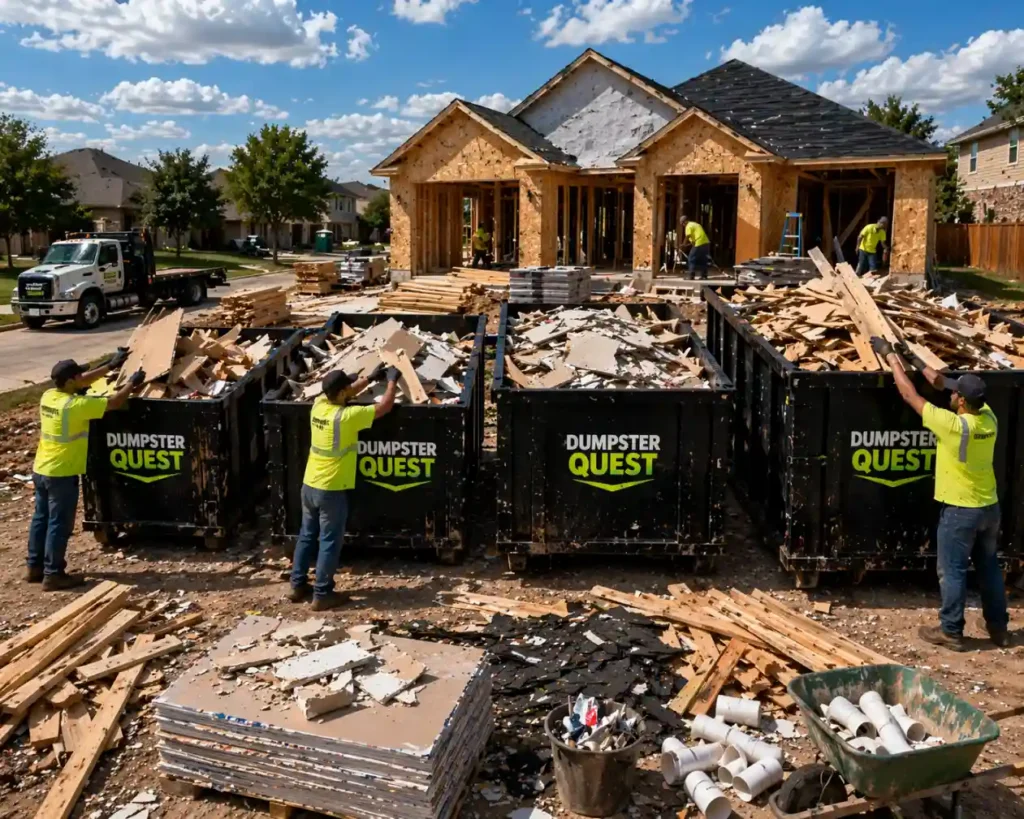
Choosing the right dumpster size is one of the most important decisions in any construction project, especially when asking what size construction dumpster do I need. Selecting a container that is too small can lead to overflow and delays, while choosing one that is too large may increase unnecessary costs. Understanding dumpster size for renovation projects helps you balance efficiency, cost, and workflow, preventing issues like overflow or underutilized space. Whether you are managing a renovation, demolition, or full construction project, the right size keeps your jobsite organised and productive.
For projects in North Dallas, working with providers like Dumpster Quest ensures you get expert recommendations based on your specific needs.
Why Choosing the Right Size Construction Dumpster Matters
Properly choosing the right dumpster size ensures that you stay within budget, while maximizing construction dumpster capacity and minimizing extra trips.
If the dumpster is too small:
- You may need additional hauls
- Work may slow down due to overflow
- Costs can increase unexpectedly
While dumpster size for renovation projects should be chosen carefully, opting for a dumpster that’s too large means paying for construction dumpster capacity that won’t be used.Selecting the right size ensures smoother operations, better workflow, and predictable costs.
Construction Dumpster Sizes Explained
10 Yard Dumpster
Best for small projects and heavy materials in limited quantities:
- Bathroom remodels
- Small demolition jobs
- Concrete or dirt removal
This size is compact and ideal for tight spaces.
20 Yard Dumpster
One of the most popular options for mid-sized projects:
- Kitchen renovations
- Roofing projects
- Garage cleanouts
It offers a strong balance between capacity and cost efficiency.
30 Yard Dumpster
Suitable for larger residential and light commercial projects:
- Full home renovations
- Multi-room remodels
- Large cleanouts
This size handles bulky and high-volume debris effectively.
40 Yard Dumpster
Designed for large-scale construction and demolition:
- Commercial construction
- Major demolition projects
- Large-scale renovations
It provides maximum capacity and reduces the need for multiple hauls.
Construction Dumpster Size Comparison Table
| Dumpster Size | Best For | Typical Projects | Capacity (Pickup Loads) | Key Advantage |
| 10 Yard | Small jobs | Bathroom remodels, concrete removal | 3 loads | Compact and easy placement |
| 20 Yard | Medium projects | Roofing, kitchen renovations | 6 loads | Most versatile option |
| 30 Yard | Large projects | Full renovations, cleanouts | 9 loads | Handles bulky debris |
| 40 Yard | Major construction | Demolition, commercial builds | 12+ loads | Maximum capacity |
This table helps you quickly compare sizes and choose the best option for your project.
Best Dumpster Size by Project Type
| Project Type | Recommended Size | Why It Works |
| Bathroom Remodel | 10–20 Yard | Limited debris and space |
| Kitchen Renovation | 20 Yard | Balanced volume and weight |
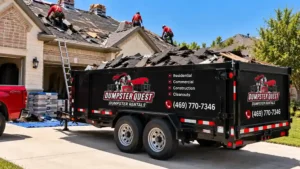
| Roofing Project | 20 Yard | Handles heavy shingles |
| Full Home Renovation | 30 Yard | Large debris volume |
| Demolition Project | 30–40 Yard | High waste output |
| Commercial Construction | 40 Yard | Continuous debris generation |
How to Choose Size Construction Dumpster Effectively
Estimate Debris Volume
Think in terms of pickup truck loads or cubic yards. Most projects generate more waste than expected, so choosing slightly larger can prevent delays.
Consider Material Type
Heavy materials like concrete and roofing shingles can reach weight limits quickly. This may require a specific size or separate container.
Evaluate Project Duration
Longer projects may need larger dumpsters or multiple hauls to maintain efficiency.
Plan Dumpster Placement
Ensure there is enough space for delivery and loading without disrupting workflow.
Consult Professionals
Working with providers like Dumpster Quest helps ensure accurate size recommendations and smooth project execution.
Real Project Examples
- Small bathroom remodel: 10 yard dumpster
- Roofing replacement: 20 yard dumpster
- Home renovation: 30 yard dumpster
- Commercial demolition: 40 yard dumpster
These examples show how project scale determines the ideal dumpster size.
Expert Insight from Dumpster Quest
Based on real jobsite experience, Dumpster Quest has found that choosing the wrong size is one of the most common mistakes.
Many projects underestimate debris volume or try to reduce upfront cost by selecting a smaller dumpster.
Their recommendation:
- Choose one size larger if unsure
- Plan for continuous waste removal
- Consider both volume and weight
This approach reduces delays and improves efficiency.
Common Mistakes to Avoid
- Choosing a dumpster that is too small
- Ignoring weight limits
- Overloading beyond capacity
- Poor placement planning
- Not accounting for debris type
Avoiding these mistakes ensures smoother operations and better cost control.
What Size Construction Dumpster Do I Need for Efficient Waste Management and Project Success
Understanding what size construction dumpster do i need allows you to manage waste effectively and keep your project running smoothly. The right size improves efficiency, reduces costs, and ensures your jobsite remains safe and organised.
For North Dallas projects, working with Dumpster Quest provides reliable service and expert guidance tailored to your needs.
Get the Right Construction Dumpster Size in North Dallas
Need help choosing the right dumpster size? Work with Dumpster Quest for expert recommendations, fast delivery, and dependable service. Visit the Dumpster Quest homepage or request a quote through the contact page to get started today.
Frequently Asked Questions
1. What Can You Put in a Construction Dumpster?
You can dispose of wood, drywall, flooring, roofing materials, and general debris. Hazardous materials like chemicals and paint are not allowed and require specialised disposal.
2. What Factors Affect the Cost of a Construction Dumpster Rental?
Costs depend on size, weight limits, debris type, rental duration, and location. Heavier materials and longer rentals increase pricing.
3. What Are Construction Dumpster Weight Limits?
Each dumpster includes a weight allowance based on size. Exceeding this limit can result in additional fees, especially with heavy materials.
4. What Are the Rules for Using a Construction Dumpster?
Do not overfill, keep debris below the fill line, and avoid prohibited materials. Proper placement ensures safe pickup.
5. Can You Use One Dumpster for All Construction Materials?
Most materials can go in one dumpster, but hazardous or restricted items must be separated and disposed of properly.
6. Do You Need a Permit for a Construction Dumpster?
Permits may be required for street placement but are usually not needed for private property.
7. How Long Can You Keep a Construction Dumpster?
Most rentals last 7 to 14 days, with extensions available if needed.
Key Takeaways
- Choosing the right dumpster size improves efficiency
- Small projects use 10–20 yard dumpsters
- Large projects require 30–40 yard containers
- Material type and weight affect your choice
- Proper planning prevents delays and extra costs